
Smart Chimney Inspection Sparkill NY: 2026 Guide for Palisades Residents
Most chimney problems we find during a chimney inspection in Sparkill, NY didn’t start with a dramatic event. They started with a homeowner who wasn’t sure what to look for, or who put the appointment off until something went wrong. Around here in Palisades, Sparkill, and the older neighborhoods that line the ridge roads through Rockland County a lot of the housing stock was built in the 1950s through the 1970s, and those chimneys have had decades to accumulate wear that isn’t always visible from the ground.
This guide walks you through how to approach a chimney inspection the right way, what mistakes homeowners typically make along the way, and how to avoid them before they cost you money or put your family at risk.
Before You Start
A homeowner in Palisades called us last February after noticing a faint smoky smell in their upstairs hallway. They had used their fireplace all winter and assumed the odor was normal. It wasn’t. A Level 2 chimney inspection revealed a cracked flue liner that had been venting combustion gases into the wall cavity. The liner damage was old — likely from a chimney fire the previous owner had never reported. The family had no idea.
Before you schedule anything or try to assess your chimney yourself, understand this: what you can see from the firebox or the roofline is a fraction of the system. The flue, liner, smoke chamber, and crown are largely hidden. That’s exactly why the approach you take and who you hire matters.
Step 1: Stop Using the Fireplace Until You Know Its Status
This is the mistake we see most often. Homeowners in Sparkill and Palisades fire up the hearth on the first cold night in October without having had the chimney looked at since the previous spring. If you haven’t had an inspection within the last twelve months, or if you’ve moved into a home where the chimney history is unknown, stop burning until you’ve had a professional look.
The National Fire Protection Association (NFPA) Standard 211 requires annual inspections of chimneys, fireplaces, and venting systems to ensure they are structurally sound and free from deposits. That standard exists because the consequences of skipping aren’t abstract a blocked or cracked flue can push carbon monoxide into living spaces without any warning.
Step 2: Choose the Right Level of Inspection for Your Situation
Not every inspection is the same, and hiring someone who only offers a basic visual sweep when you actually need a camera scan of the flue is a common and costly mistake. There are three inspection levels defined by NFPA 211.
Level 1 vs. Level 2 — Know the Difference
A Level 1 inspection covers accessible portions of the chimney and is appropriate if nothing has changed same appliance, same fuel, no known events. A Level 2 inspection includes video scanning of the interior flue and is required after any chimney fire, after purchasing a home, or after any event that may have affected the structure. If you’ve bought a house in Nyack, Palisades, or Sparkill in the last year and the seller didn’t provide inspection records, you need a Level 2. Full stop.
Our chimney inspection service covers both levels, and we’ll tell you honestly which one your situation calls for.
Step 3: Don’t Hire on Price Alone
We understand the instinct. Inspection quotes in this area vary, and it’s tempting to go with the lowest number. According to HomeAdvisor, the average cost of a professional chimney sweep and inspection in the northeastern United States ranges from $150 to $350, with repairs adding $200 to $1,000 or more depending on scope. That’s a real range, and the low end of it often reflects a limited visual-only visit with no camera equipment and no written report.
A written inspection report matters. If you’re in Palisades and you’re planning to sell, or if you need to file an insurance claim after storm damage, a documented inspection from a qualified technician is what carriers and attorneys actually look at. Hiring someone who hands you a verbal “looks fine” is not the same thing.
Step 4: Time the Inspection Before the Burn Season, Not After
Scheduling in October or November when every sweep company in Rockland County is booked solid is the single most avoidable mistake homeowners make. We recommend scheduling your chimney inspection in Sparkill, NY and the surrounding area between late July and early September. You’ll get faster appointments, and if any repairs come back from the inspection, there’s time to address them before you need the fireplace.
Winters in the Hudson Valley are hard on masonry. The freeze-thaw cycles that run from December through March pull at mortar joints, crack crowns, and work water into flue liners. Catching that damage in summer before it gets compounded by another heating season is always less expensive than catching it in spring.
Step 5: Read the Report and Ask Questions
A surprising number of homeowners receive an inspection report, see no obvious red flags in the language, and file it away without asking what the findings actually mean for their household. If the report mentions “minor mortar deterioration” or “stage-two creosote deposits,” those are not phrases to scroll past.
The Chimney Safety Institute of America notes that third-degree creosote glazed creosote is extremely difficult to remove and significantly increases the risk of a chimney fire that can burn at temperatures exceeding 2,000°F. Stage two is the warning sign before you get there. Our technicians walk through every report with homeowners and explain what we found in plain language, not technical shorthand.
If repairs are recommended, ask whether they’re urgent or something that can be monitored over time. Some things like a hairline crack in the crown can be sealed on the same visit. Others, like a deteriorated liner in a home in Blauvelt or Grand View-on-Hudson, may require scheduling a separate liner installation or relining service.
Step 6: Don’t Skip the Exterior
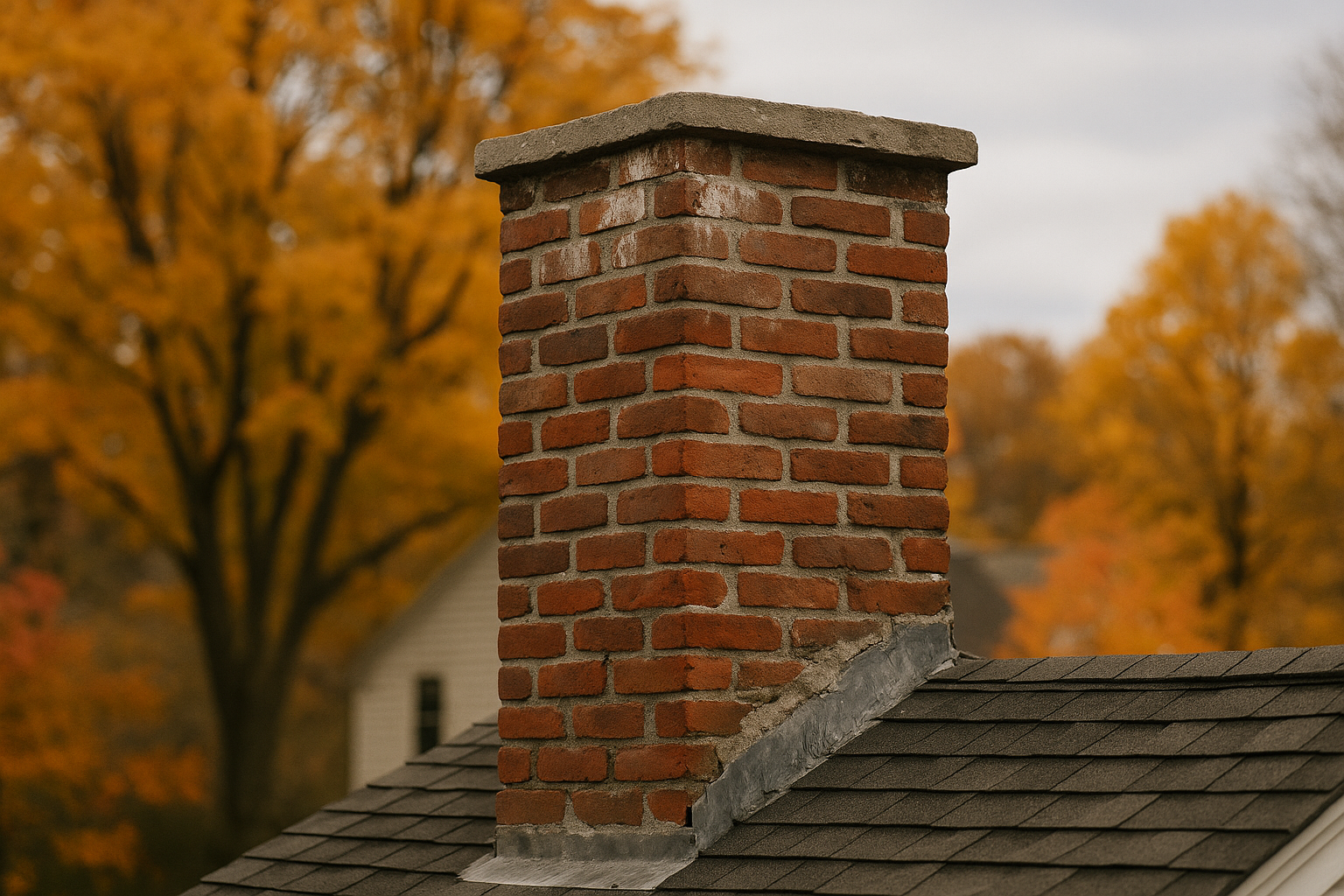
Homeowners focused on the firebox often forget that the chimney exterior takes its own punishment. The crown, the flashing where the chimney meets the roof, and the mortar joints between the bricks are all exposed to weather year-round. Our masonry repair and repointing service regularly addresses spalling brick and failed flashing that were visible from the roofline but never reported because no one looked closely.
If your chimney is more than twenty years old and hasn’t had a masonry evaluation, ask your inspector to specifically assess the exterior while they’re there. In areas like Sparkill and Piermont, where older homes sit under mature trees, moss and moisture accelerate mortar erosion faster than most homeowners expect.
Troubleshooting Tip: Smoky Smell Without Visible Smoke
If you’re getting a persistent smell of smoke in the house especially on windy days or when the heat kicks on but you’re not actively burning, the most likely culprits are a failed damper that isn’t sealing, a negative pressure issue pulling air down the flue, or creosote buildup radiating odor through the liner. None of these are DIY fixes. Each one requires a technician to assess the draft dynamics of the system. Call before you light another fire.
Schedule Your Inspection with Tappan Chimney Sweep
We serve Palisades, Sparkill, and communities throughout Rockland County. Whether you need a routine annual inspection, a pre-purchase Level 2, or a full evaluation of a chimney that hasn’t been looked at in years, our team gives you a straight answer and a written report you can rely on. Reach out through our website contact form to request a free estimate we’re glad to help you head into the 2026 heating season with confidence.
Frequently Asked Questions: Chimney Inspection in Sparkill, NY
How often should I schedule a chimney inspection in Sparkill, NY?
According to NFPA Standard 211, chimneys should be inspected at least once a year regardless of how often you use the fireplace. If you burn wood regularly through a Rockland County winter, we also recommend a chimney sweep after each cord burned to keep creosote deposits from building up between annual inspections.
What’s the difference between a Level 1 and Level 2 chimney inspection?
A Level 1 covers accessible areas and is appropriate when nothing has changed about your setup. A Level 2 includes video scanning of the interior flue and is required after buying a home, after a chimney fire, or after any structural event. If you’ve recently purchased a property in Palisades or the surrounding area, a Level 2 is the right starting point.
How much does a chimney inspection cost in Rockland County in 2026?
Costs vary by scope. A standard inspection in the northeastern U.S. typically runs $150 to $350. If the inspection reveals repairs repointing, liner work, crown replacement those can range from a few hundred dollars to over $1,000 depending on what’s needed. We provide written estimates before any work begins so there are no surprises.
Can I use my fireplace while waiting for an inspection appointment?
We’d recommend against it, especially if you don’t have recent inspection records or if you’ve noticed any changes in draft, odor, or smoke behavior. A blocked or cracked flue can produce carbon monoxide without any visible sign. It’s a short wait for peace of mind.
Does homeowner’s insurance cover chimney inspection or repair costs?
The Insurance Information Institute advises homeowners to check their policy carefully. Sudden accidental damage like storm impact is often covered. Deterioration from lack of maintenance typically is not. A documented annual inspection creates a paper trail that can support a claim if damage does occur.
Do you serve areas near Sparkill, like Palisades and Piermont?
Yes. We serve communities throughout Rockland County, including Palisades, Sparkill, Piermont, Blauvelt, Pearl River, Nyack, and surrounding areas. Contact us through our website to schedule a visit at a time that works for you.
Related from Tappan Chimney Sweep: Trusted Chimney Inspection Piermont NY · The Smart Way to Choose a Chimney Sweep Tappan NY Homeowners Can Actua