
Don’t Ignore These Warning Signs: Chimney Cleaning Rockland County NY — 2026 Guide for Grand View-on-Hudson Residents
Your chimney can be sending you a clear distress signal and it is easy to miss if you do not know what to look for. Chimney cleaning in Rockland County NY is not a once-in-a-decade chore it is an annual necessity, especially along the Hudson River waterfront where homes in Grand View-on-Hudson and nearby Piermont absorb a lot of moisture. Freeze-thaw cycles crack mortar, river humidity feeds creosote, and older chimneys in this stretch of Rockland County can deteriorate faster than homeowners realize. The warning signs below are things you can literally see, hear, or smell. If you spot even one of them, do not wait until next season.
A Grand View-on-Hudson Homeowner Who Almost Waited Too Long
A homeowner in Grand View-on-Hudson called us in late January after noticing a sharp, acrid odour coming from their fireplace even on days they had not lit a fire. They assumed it was something temporary. By the time we arrived, we found a heavy third-degree creosote glaze coating the upper flue, a partially blocked damper, and minor spalling on the firebox walls. The family had been using the fireplace weekly all season. A chimney fire had not happened, but it easily could have. One professional cleaning and a Level 2 chimney inspection later, the system was safe. The point is not to frighten anyone it is to show that the signs were there for weeks before anyone acted.
What Each Warning Sign Actually Means
We break these into two categories below: signs that mean call a professional today, and signs that are worth monitoring but should still prompt a scheduled visit within a few weeks.
Call a Pro Now
1. A Persistent Smoky or Tar-Like Smell — Even Without a Fire
If your living room, or any room near the chimney, carries a campfire or acrid chemical smell on warm or humid days, creosote is off-gassing into your home. This is not a ventilation quirk. Third-degree creosote the glazed, hardened variety can reach combustion temperatures exceeding 2,000°F according to the Chimney Safety Institute of America (CSIA). That odour means deposits are present right now, and heat or a stray ember can ignite them.
2. Black or Brown Oily Staining Around the Fireplace Opening
Dark staining that seeps outward from the firebox onto the surround, hearth, or mantle indicates that smoke is not drafting upward correctly. Debris buildup, a collapsed flue tile, or heavy creosote may be restricting airflow. This is visible without any tools just look at the masonry immediately around the opening. Staining like this in an older Nyack or Grand View-on-Hudson Colonial usually means the liner needs attention alongside a thorough cleaning.
3. Smoke Backing Into the Room During a Fire
Occasional puffing when you first light a cold fireplace is normal. Smoke consistently rolling into the room especially mid-burn is not. The flue may be partially blocked by creosote, a bird or animal nest, or deteriorated masonry. The National Fire Protection Association (NFPA) Standard 211 requires annual inspections precisely because blockages like these develop gradually and are invisible until they cause a problem. Do not light another fire until this is assessed.
4. Visible Black Flakes or Chunks Falling into the Firebox
If you look into the firebox and see flakes of black material or hear them dropping that is creosote or deteriorated liner material falling from the flue above. Either way, something is breaking loose. In some cases, it is glazed creosote that has begun to crack and peel; in others it is damaged clay tile. Both require immediate professional attention. Our liner inspection and relining service addresses the latter.
5. A Roaring or Rumbling Sound From the Chimney During a Fire
A healthy fire draws quietly. An unusual roaring, almost like wind rushing through a tunnel, can indicate a chimney fire in progress. Shut the damper, close the fireplace doors, and call the fire department first, then us. Do not use the fireplace again until the entire system has been inspected. This is rare, but it happens and it happened more than once last winter to homeowners across Rockland County who skipped their annual cleaning.
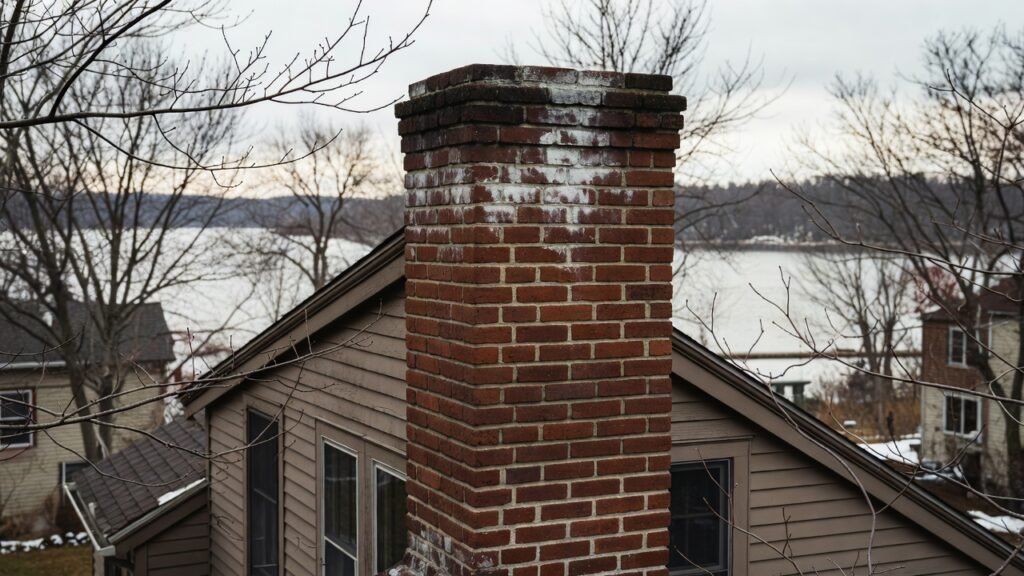
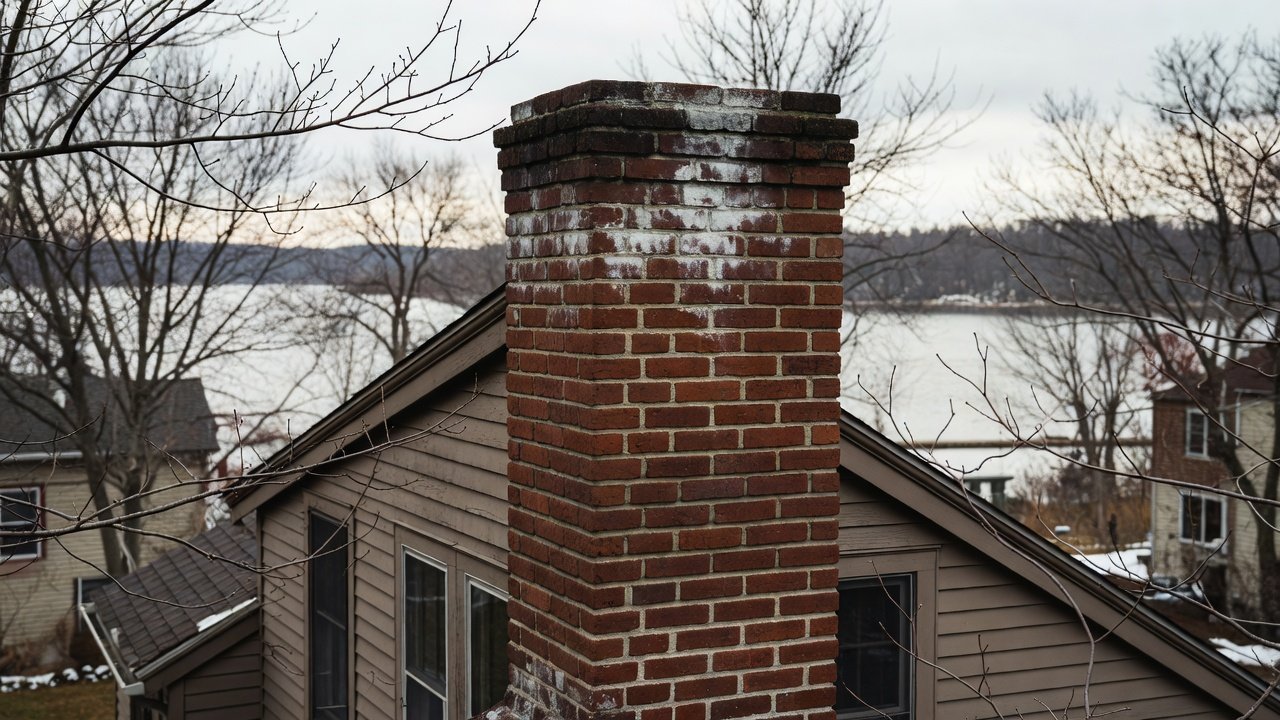
6. White Efflorescence on the Exterior Chimney Masonry
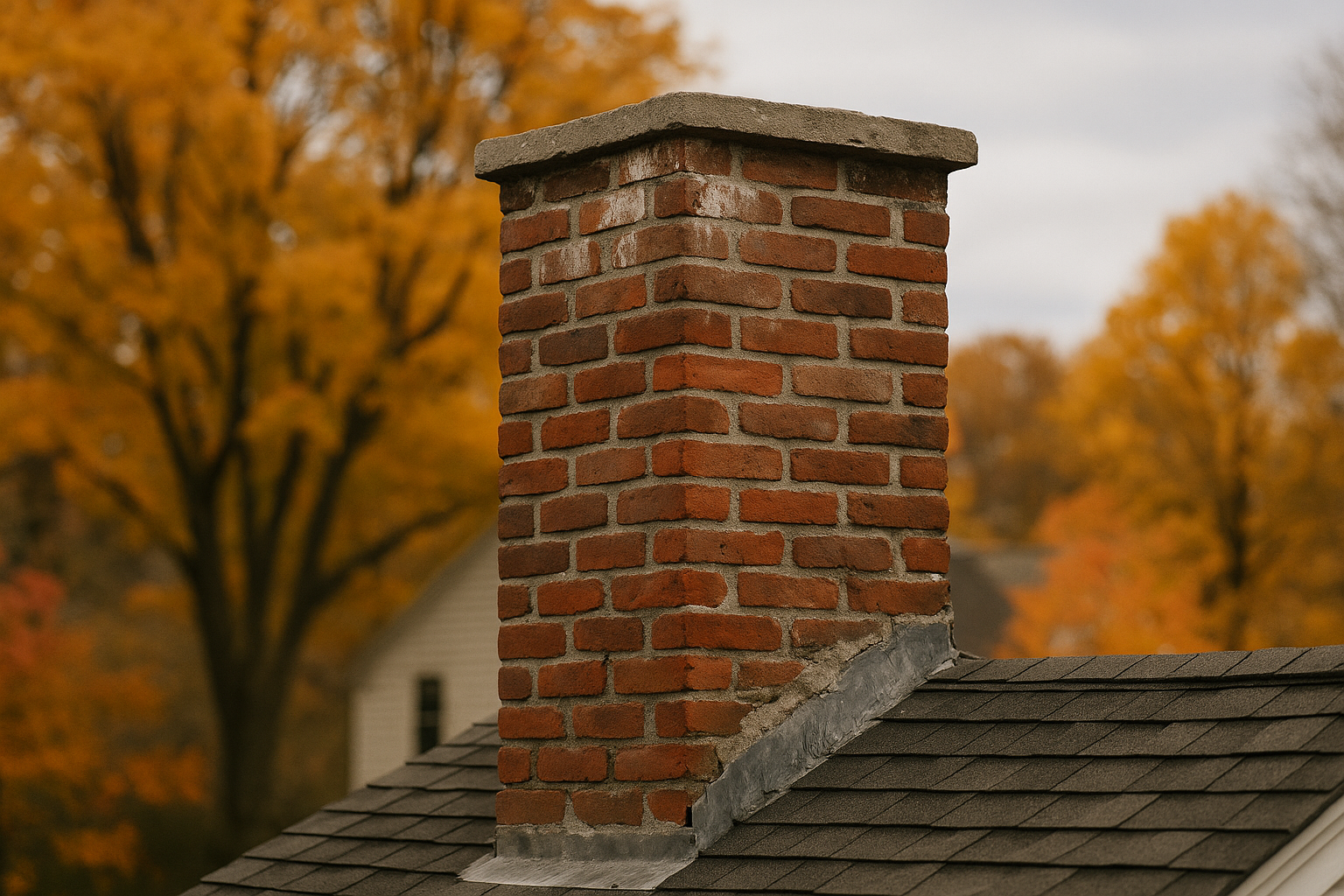
White powdery or chalky staining on the outside of your chimney is a sign that water is moving through the masonry and carrying salts to the surface. Left unaddressed, the underlying brickwork deteriorates mortar joints crack, bricks spall, and the chimney structure weakens. This is closely linked to masonry repointing, but it often coincides with an interior that is equally compromised and overdue for cleaning.
Keep an Eye On It — But Still Schedule Soon
7. A Slight Whistling or Howling Sound When the Fireplace Is Not in Use
Wind finding its way through a poorly seating damper or a minor gap in the flue is annoying but not immediately dangerous. However, gaps that let wind in also let carbon monoxide and smoke drift back out during use. Schedule a cleaning and damper check within the next few weeks, not months.
8. Noticeably Slower Draft Than Usual
If you have been using the same fireplace for years and fires suddenly seem sluggish harder to establish, slower to draw creosote buildup is narrowing the effective flue diameter. The U.S. Fire Administration reports that dirty chimneys are one of the leading contributors to home heating fires. A slow draft is an early warning, not a minor inconvenience.
9. Small Debris or Twigs in the Firebox You Did Not Put There
Nesting material from birds or squirrels means your chimney cap is missing or damaged. A nest does not only block airflow it is dry, but combustible material also sitting in a flue. Get the cap replaced and the chimney swept before your next fire.
10. It Has Been More Than a Year Since Your Last Cleaning
This one is not dramatic, but it belongs on the list. The CSIA recommends that chimneys be inspected at least once per year and cleaned whenever significant deposits are found generally after every cord of wood burned. If you cannot remember when a professional last looked at your chimney, that is your answer.
What to Expect From a Professional Chimney Cleaning
When our technicians arrive at a home in Grand View-on-Hudson or nearby Palisades or Blauvelt, we start by protecting the room drop cloths over the hearth, a seal over the firebox opening to contain dust. We run a visual assessment of the firebox and damper, then work from the top down with rotary brushes sized to the flue, clearing creosote and debris into a HEPA-equipped vacuum at the bottom. The process typically takes between 45 minutes and 90 minutes depending on the system’s size and the state of the deposits. Afterward, we walk you through what we found. If we see anything that warrants a closer look cracked tiles, damaged mortar joints, a compromised liner we will say so plainly and explain your options. We do not create problems that are not there, and we do not gloss over ones that are.
Pricing for chimney cleaning in Rockland County NY in 2026 typically falls in the $150–$350 range for a standard sweep and inspection, consistent with regional averages reported by HomeAdvisor for the northeastern United States. Repairs, if needed, are quoted separately and honestly before any work begins.
Ready to Get It Done?
Rockland County winters are hard on chimneys especially in river-facing communities like Grand View-on-Hudson, Upper Nyack, and Piermont where moisture is a constant factor. If you spotted anything on the list above, or if a cleaning is simply overdue, we are ready to help. Reach out to us through the contact form on our website for a free estimate. We serve Grand View-on-Hudson and communities throughout Rockland County, and we will give you a straight answer about what your chimney needs.
Frequently Asked Questions: Chimney Cleaning in Rockland County NY
How often does a chimney need to be cleaned in Rockland County?
The CSIA and NFPA 211 both recommend at least one cleaning and inspection per year. Homeowners who burn regularly more than one cord of wood per season may need cleaning twice a year. In communities like Grand View-on-Hudson and Piermont, where moisture from the Hudson River accelerates creosote buildup and masonry wear, annual professional service is the practical minimum.
What does chimney cleaning actually remove?
A professional sweep removes creosote in all three stages (light flaky deposits through glazed third-degree buildup), soot, animal nesting material, and any loose debris from the flue and smoke chamber. We use rotary brushes and HEPA vacuums so the work does not spread dust through your living area.
Can I clean my own chimney with a brush kit from the hardware store?
Homeowners can knock loose first-degree creosote from a simple, straight flue, but most chimneys in older Rockland County homes have offsets, damaged tile, or early-stage second-degree buildup that a brush kit will not fully address. More importantly, a DIY brush provides no assessment of structural conditions cracks, liner damage, or mortar failures that a trained technician catches during a proper cleaning visit.
Is chimney cleaning covered by homeowners insurance?
Routine cleaning is maintenance, not a covered loss. However, the Insurance Information Institute notes that sudden accidental chimney damage from a storm, for example may be covered depending on your policy. Damage resulting from neglected maintenance typically is not. Keeping up with annual cleaning protects both your family and your claim eligibility.
What is the difference between a Level 1 and Level 2 chimney inspection?
A Level 1 inspection covers accessible portions of the chimney and is typically performed alongside a routine cleaning. A Level 2 inspection goes further including video scanning of the flue interior and is recommended after any significant event such as a chimney fire, a change in fuel type, or purchase of a home. We offer both through our chimney inspection service.
How long does a chimney cleaning take at a typical Grand View-on-Hudson home?
For a single fireplace with a standard flue, expect 45 to 90 minutes. Longer flues, multiple fireplaces, or heavy creosote buildup will add time. We always complete a walkthrough with the homeowner at the end so you know exactly what was found and what, if anything, needs follow-up.
Related from Tappan Chimney Sweep: Chimney Cleaning Rockland County Done Right Before the Cold Hits · Warning Signs You Need Chimney Crown Repair Rockland County · Essential Warning Signs You Need a Chimney Sweep Sparkill NY Homeowner