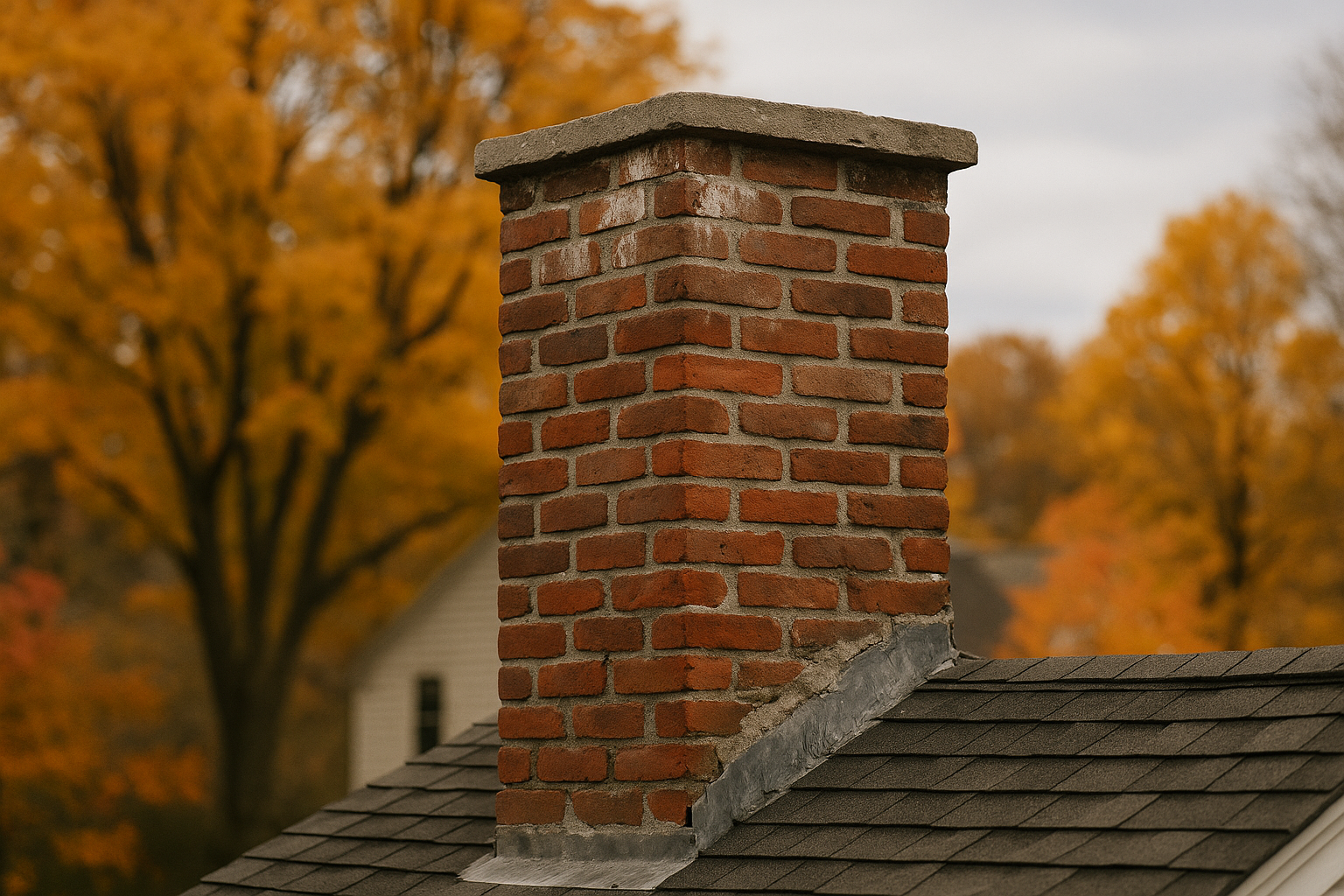


Straight Talk on Chimney Repair Blauvelt NY: 2026 Guide for Piermont Residents
Every spring, after another Hudson Valley winter has run its course, we field a wave of calls from homeowners who put off chimney repair in Blauvelt NY and the surrounding towns and spent the cold months burning wood through a system that was already compromised. Some of them knew something was off. Most of them had heard things that made waiting seem reasonable. This post is about those things: the widely repeated assumptions about chimney repair that sound plausible but consistently lead homeowners to the wrong decision.
We want to set the record straight, because the stakes are real. A deteriorating chimney is not a cosmetic problem. It is a structural and fire-safety issue, and the longer it waits, the more expensive and dangerous it becomes.
A Piermont Homeowner Who Waited on a “Minor” Crack
Last February, a homeowner on the riverfront side of Piermont called us after noticing a thin horizontal crack running across several bricks just below their chimney crown. A neighbor had told them it was probably just settling — nothing urgent. By the time we got up on the roof, water had been working its way into the mortar joints for at least two seasons. The liner had a stress fracture, and the firebox showed early signs of spalling. What could have been a straightforward repointing job a few hundred dollars had grown into a liner repair and partial masonry rebuild. We see this pattern constantly across Rockland County, from Piermont up through Blauvelt and over to Congers.
That homeowner’s situation was shaped, in large part, by a few very common misconceptions. So let us address them directly.
Getting the Contractor Question Wrong and Why It Keeps Happening
The first thing homeowners tend to get wrong is treating chimney repair like a general handyman job. We have been called in after painters, roofers, and general contractors have attempted chimney work sometimes with the best intentions and the results are almost always the same: the wrong mortar mix, improper crown slope, or a patch that seals moisture in rather than out. Chimney masonry is a specific trade. The mortar that binds chimney bricks has to handle thermal expansion, freeze-thaw cycling, and water infiltration simultaneously. Standard construction mortar is too hard and will actually cause the surrounding brick to crack. A contractor who does not know that going in will damage your chimney while appearing to fix it.
The credential to look for is CSIA certification. According to the Chimney Safety Institute of America (CSIA), chimneys should be inspected at least once a year and cleaned whenever significant deposits are found and that standard applies equally to repair work. A CSIA-certified chimney sweep has passed written examinations on chimney system construction, fire safety, and proper repair methods. That certification does not guarantee perfection, but it does mean the person on your roof has been trained specifically for this work. Asking a contractor whether they hold CSIA credentials is not rude it is the right question.
The “I Can See Fine, So It Must Be Fine” Problem
A lot of homeowners assume that if the chimney looks intact from the ground, it does not need professional attention. This is one of the most persistent misconceptions we encounter, and it is understandable chimney problems often start inside the flue or within the mortar joints where no one on the ground will ever see them. By the time cracking or spalling is visible at eye level, the underlying damage is usually well advanced.
The National Fire Protection Association (NFPA) Standard 211 requires annual inspections of chimneys, fireplaces, and venting systems to ensure they are structurally sound and free from deposits. That standard exists precisely because surface appearance is an unreliable indicator of chimney health. A Level 1 inspection which our technicians perform as part of our chimney inspection service covers accessible portions of the exterior and interior. A Level 2 inspection, which we recommend whenever a home changes hands or after any significant weather event, includes video scanning of the flue interior. Neither of those can be replicated by walking out to the driveway and looking up.
We see this misunderstanding cause particular problems in older homes in Blauvelt and Valley Cottage, where chimneys were built in the 1940s and 1950s using construction practices that do not hold up to modern use patterns. The exterior can look perfectly serviceable while the liner is cracked, the smoke chamber is deteriorating, or the crown has begun to separate.
Price Shopping Without Knowing What You Are Comparing
When homeowners do decide to get work done, the next common error is comparing bids without understanding what is actually being quoted. A low bid for chimney repair in Blauvelt NY often means one of several things: the contractor is not accounting for the full scope of the damage, they are planning to use inferior materials, or they are not licensed and insured for this type of work. According to HomeAdvisor, the average cost of a professional chimney sweep and inspection in the northeastern United States ranges from $150 to $350, with repairs adding $200 to $1,000 or more depending on scope. Those numbers are a reasonable benchmark, but they assume the work is done correctly which is the variable that a low bid frequently compromises.
When you receive an estimate for chimney repair, ask specifically what type of mortar will be used, whether the work includes a follow-up inspection, and whether the contractor carries liability insurance. If someone is reluctant to answer those questions, that reluctance tells you something. We provide written estimates for all repair work, from repointing and crown rebuilding to chimney liner installation and full masonry restoration, and we are glad to walk homeowners through exactly what each line item covers.
Assuming Repairs Can Wait Until Next Season
The final misconception and arguably the costliest one is the belief that chimney damage is stable and can safely be deferred. Masonry and water do not have a truce. Every rain event, every frost, every freeze-thaw cycle works a compromised joint or crack a little further. Here in Rockland County, we typically see 30 to 40 freeze-thaw cycles per winter season. That is 30 to 40 opportunities for water that has infiltrated a crack to expand as it freezes, widening the gap, pushing brick faces loose, and working its way toward the liner. The U.S. Fire Administration reports that heating fires account for approximately 25% of all reported home fires, with dirty or damaged chimneys being one of the leading contributing factors. A damaged liner is not just a structural inconvenience it is a direct path for heat and combustion gases to reach combustible framing.
We have done repair work in Sparkill, Palisades, and Upper Nyack for homeowners who deferred repairs for one season and came back to us the following year with damage that had doubled in scope. The economics of waiting almost never work in the homeowner’s favor.
Talk to Us Before the Damage Gets Ahead of You
Whether you have noticed something that looks off on your Piermont chimney, or you just want a straight answer about whether what you are seeing warrants chimney repair in Blauvelt NY or the surrounding area, we are here to give you an honest assessment. Our team serves Rockland County homeowners with inspections, sweeping, masonry repair, and chimney relining and we will tell you plainly what needs to be done now, what can wait, and what you can watch without intervention. Use the contact form on our website to reach us for a free estimate. We will get back to you promptly.
Frequently Asked Questions: Chimney Repair in Blauvelt NY and Piermont
How do I know if I need chimney repair or just a cleaning?
A cleaning addresses creosote and debris buildup. Chimney repair covers structural issues cracked mortar, damaged crowns, spalling brick, liner fractures, or flashing failures. The two often overlap: during a sweep, our technicians inspect for damage and will flag anything that needs repair. If you have not had a professional look at your chimney in the past year, start with an inspection and you will have a clear answer.
What are the signs that mortar joints need repointing?
Soft or crumbling mortar, gaps you can probe with a finger or key, and white staining (efflorescence) on the chimney exterior are the most common indicators. Horizontal cracks along mortar joints, particularly near the crown, suggest water infiltration and freeze-thaw damage. Any of these warrant a closer look sooner rather than later.
Does homeowner’s insurance cover chimney repair in New York?
It depends on the cause. The Insurance Information Institute advises homeowners to check their policy carefully: repairs resulting from sudden accidental damage a falling tree limb, a lightning strike, storm debris are often covered. Deterioration from years of neglect typically is not. Document any storm damage promptly and contact your insurer before having work done if you believe a covered event caused or contributed to the damage.
How long does a typical chimney repair take?
Repointing a single chimney face can take a half-day. Crown rebuilding or replacement is usually a full day’s work. Liner repair or relining, depending on flue height and system type, typically runs one to two days. We will give you a realistic time estimate when we provide your written quote so you can plan accordingly.
Should I get a chimney inspection before buying a home in Piermont or Blauvelt?
Yes, and do not rely solely on the general home inspection for this. General inspectors are not trained chimney specialists and typically cannot evaluate the flue interior. A Level 2 chimney inspection which includes camera scanning before closing gives you an accurate picture of what you are buying. We do pre-purchase inspections for homes throughout Rockland County, including Piermont, Blauvelt, and Pearl River.
What questions should I ask a chimney repair contractor before hiring them?
Ask whether they hold CSIA certification, whether they carry liability insurance, what mortar type they use for chimney masonry, and whether the estimate is written and itemized. Ask specifically what happens if additional damage is found once work begins. A trustworthy contractor answers all of these without hesitation.
Related from Tappan Chimney Sweep: Honest Chimney Repair Piermont NY · Trusted Chimney Inspection Piermont NY