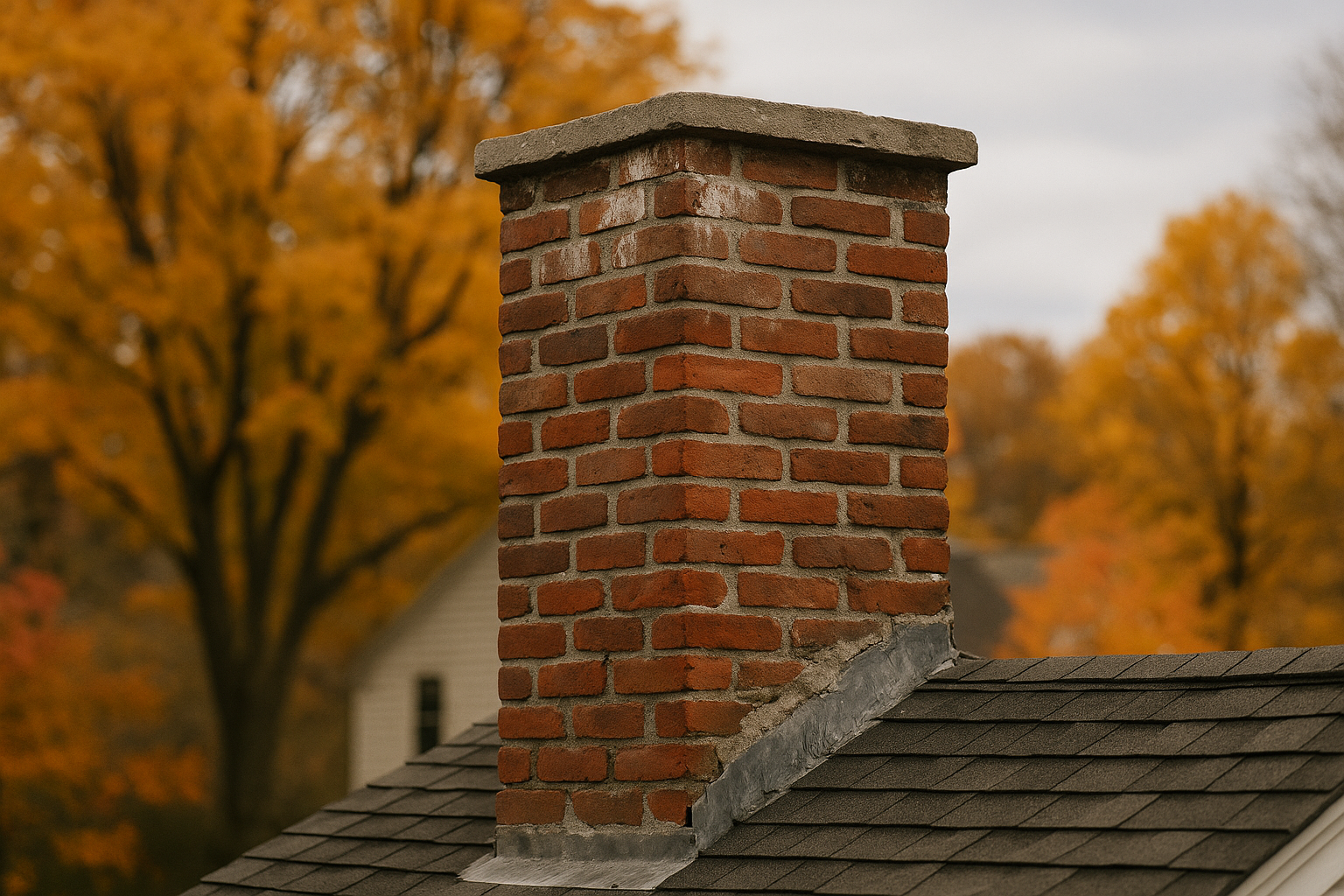


Warning Signs You Need Chimney Crown Repair Rockland County: 2026 Guide for West Nyack Residents
Your chimney crown is a small slab of concrete sitting at the very top of your chimney, and most homeowners never think about it until water is running down their living room wall. Chimney crown repair Rockland County is one of the most common calls we get in late spring and early fall almost always from people who spotted a problem weeks earlier and figured it could wait. It usually cannot. Here is exactly what to look for, what each sign means, and when you need to pick up the phone.
West Nyack homes in particular sit in a low-lying corridor where moisture collects and lingers. Add to that the freeze-thaw cycles we see every January and February temperatures swinging 30 degrees overnight and a cracked crown deteriorates faster here than in drier climates. We have seen a hairline crack become a full structural split in a single winter.
A West Nyack Homeowner Who Almost Waited Too Long
Last March a homeowner on a wooded street in West Nyack noticed white staining on the upper exterior of their chimney. They called us expecting a minor cleaning. When our technician got on the roof, the crown had cracked clean across its width and the underlying brick was already showing freeze-thaw spalling. The liner was still intact, which saved them from a full relining job, but the masonry repair added several hundred dollars to a bill that would have been straightforward if they had acted the previous autumn. By the time we completed the chimney crown repair and addressed the efflorescence with our masonry repair service, the homeowner understood what each warning sign had been trying to tell them for months.
Eight Warning Signs Worth Acting On Now
1. White Staining (Efflorescence) on the Upper Chimney Exterior
That chalky white residue is dissolved mineral salts left behind when water moves through your masonry and evaporates. It is not cosmetic. It tells you water is penetrating the crown and working its way into the brick below. When we see efflorescence on a West Nyack chimney, chimney crown repair is almost always part of the solution.
Call a pro now. Efflorescence on the upper third of the chimney shaft points directly to crown failure.
2. Visible Cracks Across the Crown Surface
Stand back in your yard and look at the top of your chimney with binoculars. A properly built crown slopes away from the flue and has no breaks. Any crack you can see from the ground even a thin one is wide enough to admit water. According to the National Fire Protection Association (NFPA) Standard 211, chimneys, fireplaces, and venting systems require annual inspections to confirm they are structurally sound, and crown integrity is part of that assessment.
Call a pro now. Visible cracks from ground level are not early-stage they are mid-stage damage.
3. Chunks of Concrete or Mortar in the Fireplace
Open your firebox and look at the smoke shelf and the base of the firebox. Small grey or beige chunks that were not there before the winter often fell from a deteriorating crown or deteriorating mortar joints. This is one sign homeowners in Blauvelt and Pearl River describe to us most often in the spring debris they swept up and assumed was normal ash.
Call a pro now. Material falling into the firebox means the failure is active and moving downward.
4. Damp Smell Coming from the Fireplace in Warm Weather
A musty, cold-campfire smell when the fireplace is not in use and the weather is warm usually means moisture has been collecting inside the flue. The crown is the first line of defense against rainwater entry. When it fails, the flue liner, the smoke chamber, and the firebox all absorb that moisture over time. According to the Chimney Safety Institute of America (CSIA), chimneys should be inspected at least once a year and this is exactly the kind of symptom a Level 1 inspection is designed to catch before it becomes a liner problem.
Keep an eye on it — but book an inspection within the month. A smell alone without visible damage could be a minor issue, but do not let a second summer pass without a professional assessment.
5. Water Stains on the Ceiling or Walls Near the Chimney Chase
Brown rings or paint bubbling on the ceiling in the room where your chimney passes through is about as direct a signal as a house can give. By the time water shows up on finished surfaces, it has already worked through flashing, mortar, and framing. Crown failure is frequently the entry point.
Call a pro now. Interior water staining is an emergency you may have rot or mold developing inside the wall cavity.
6. Spalling Brick Near the Top of the Chimney
Spalling is when the face of a brick pops off, leaving a pitted, flaky surface. It happens when water saturates the brick and then freezes, expanding from the inside. Homes in Upper Nyack and Congers where chimneys are exposed to prevailing northwest winds off the Hudson tend to show spalling earlier than the same-age homes in sheltered yards. A failing crown is almost always involved.
Call a pro now. Spalling accelerates quickly. Left alone, it can compromise the structural integrity of the entire chimney stack within two or three winters.
7. The Crown Has a Visible Lip or Has Separated from the Flue Tile
If you or a roofer can safely see the crown and notice that it is pulling away from the flue liner at the joint, or that water is pooling toward the flue rather than draining away, the crown was either improperly built or has shifted. This is a common finding in Orangeburg and Sparkill homes built in the 1960s and 1970s, where crown construction standards were less rigorous than what NFPA 211 requires today.
Call a pro now. A crown that drains toward the flue is directing every rainstorm straight into your chimney.
8. Your Last Chimney Inspection Was More Than Two Years Ago
This one is not something you can see or smell, but it belongs on any honest checklist. The U.S. Fire Administration reports that heating fires account for approximately 25 percent of all reported home fires, with chimney deterioration among the leading contributing factors. If you have not had a professional up on that roof in two or more seasons, you simply do not know the condition of your crown and in Rockland County’s climate, two years is enough time for a hairline crack to become a structural problem.
Book an inspection now. A Level 1 inspection from our team covers the crown, the flue, and the firebox, and gives you a clear picture before any expensive damage develops.
Why Autumn Is the Right Time to Book and What Waiting Costs
We hear this every year: “We’ll get it sorted before winter.” Then November arrives and every chimney company in Rockland County has a three-week wait. Chimney crown repair Rockland County calls spike sharply in October and again in early spring, which is when we are often booked out two weeks or more. The practical window for crown work is September through mid-November and again in April through June, when temperatures are above freezing consistently enough for patching compounds and crown coatings to cure properly.
On cost: a minor crown repair sealing hairline cracks with a professional-grade elastomeric crown coat typically runs a fraction of what a full crown rebuilds costs. A full rebuild, once you add in the scaffolding or lift equipment often required on taller chimneys like many of those in Nyack and New City, can run into the mid-hundreds to well over a thousand dollars depending on chimney height and access. Waiting until the underlying brick also needs repointing or the liner needs attention pushes that number higher still. Acting at the first warning sign is almost always the more affordable path.
Get a Clear Answer Before Another Winter
If any of the signs above sound familiar, we want to help you understand exactly what you are dealing with before it becomes a more complicated repair. Our team serves West Nyack and the surrounding communities throughout Rockland County, and we give straightforward assessments without pressure. Reach out through the contact form on our website to request a free estimate, and we will get a technician to your home to take a proper look from the ground up.
Frequently Asked Questions About Chimney Crown Repair Rockland County
What exactly is a chimney crown and why does it matter?
The chimney crown is a concrete or mortar slab that covers the top of the chimney stack, surrounding the flue opening. Its job is to direct water away from the masonry and protect the joint where the flue tile meets the open air. Without a sound crown, every rain event sends water directly into the chimney system. In Rockland County’s wet climate, a failing crown is one of the fastest ways a chimney deteriorates.
How long does a chimney crown repair take?
A crown seal or patching job on a single-flue chimney generally takes one to two hours of hands-on work once our technician is on the roof. A full crown rebuild takes longer usually half a day and then requires curing time before the fireplace should be used. We will give you a realistic timeline when we assess the damage in person.
Can I seal my chimney crown myself with products from the hardware store?
Consumer-grade caulks and patching compounds are not formulated for the expansion and contraction a chimney crown experiences through a Rockland County winter. Most fail within one or two freeze-thaw cycles. Professional-grade elastomeric crown coatings are applied to a properly prepared surface and flex with temperature changes. We have seen DIY repairs that looked fine in October completely delaminate by February.
Will my homeowner’s insurance cover chimney crown repair?
The Insurance Information Institute advises homeowners to review their policies carefully. Sudden accidental damage a tree limb cracking the crown in a storm, for example is often covered. Deterioration from age and neglect is typically not. If your crown failed gradually, you should expect to pay out of pocket, which is another reason early intervention costs less than waiting.
How often should a chimney crown be inspected?
The NFPA Standard 211 calls for annual chimney inspections, and the crown is always part of that evaluation. In practice, we recommend having a technician physically look at the crown every year, especially if your home is older or your chimney is exposed on multiple sides. A Level 1 inspection covers the crown and gives you a documented condition report.
Does chimney crown repair Rockland County require a permit?
Most routine crown repairs and crown sealing do not require a building permit in Rockland County municipalities. A full chimney rebuild or liner replacement may trigger permit requirements depending on the town. We are familiar with local requirements across West Nyack, Pearl River, Nanuet, and the surrounding communities, and we will flag anything that applies to your specific job before we begin.
Related from Tappan Chimney Sweep: Essential Warning Signs You Need a Chimney Sweep Sparkill NY Homeowner · Smart Timing for Chimney Repair Palisades NY · Chimney Sweep in Tappan, NY