
Smart Savings on Chimney Sweep Orangeburg NY: 2026 Guide for Pearl River Residents
Skipping a professional chimney sweep to save $150 or $200 makes sense right up until you’re looking at a $3,000 liner replacement or a 2 a.m. chimney fire. We’ve seen both outcomes play out in homes across Rockland County, and the difference almost always comes down to one question: did the homeowner know what they were actually dealing with, or were they guessing?
This post is about being straight with you. If you’re weighing whether to hire a chimney sweep Orangeburg NY or handle chimney maintenance yourself, we want to give you an honest answer not a scare tactic designed to sell you something you don’t need.
A Pearl River Homeowner Who Almost Got It Right
A homeowner in Pearl River called us in February of last year. She’d been burning wood all winter in a colonial built in the early 1980s, and she’d done her homework. She’d bought a chimney cleaning brush kit online, ran it through the flue herself, and pulled out what looked like a decent pile of soot. She figured she was done.
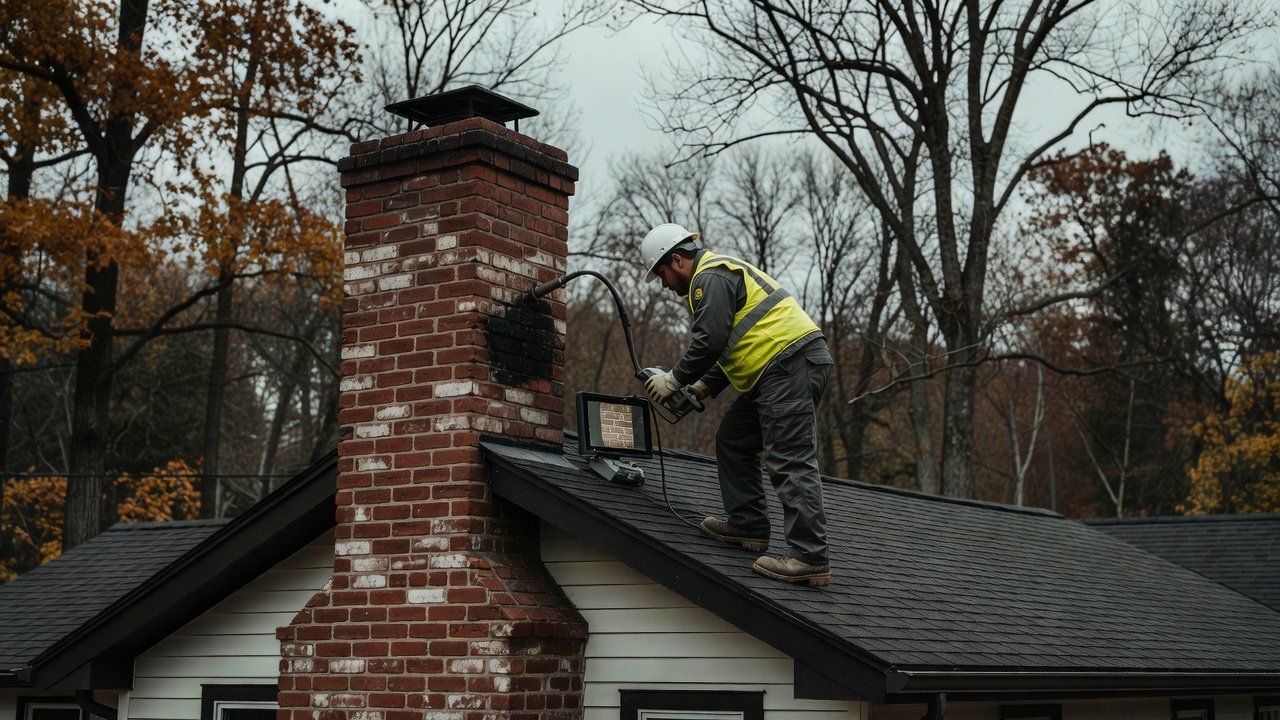
What she couldn’t see from the firebox was a section of glazed, tar-like creosote about eight feet up the flue — the kind that a basic brush rolls right over without touching. When our technician ran a camera through the liner during a level 2 inspection, there was also a crack in the clay tile at the smoke chamber. Neither issue was visible from the hearth. Neither would have shown up in a DIY clean.
We repaired the tile, treated the creosote deposit, and she finished the season safely. It cost her more than a standard sweep would have because the problem had been quietly developing. That’s the real risk of a partial job — not the attempt itself, but not knowing what you missed.
What a Capable Homeowner Can Genuinely Handle
We’re not going to pretend every chimney task requires a professional. Some maintenance genuinely is within reach for a careful, patient homeowner.
Clearing the firebox and smoke shelf. Ash removal, vacuuming the firebox, and wiping down the smoke shelf with a stiff brush — this is low-risk and worth doing regularly. Use a HEPA vacuum, not a household shop vac, to avoid pushing fine ash into your living space.
Inspecting and replacing the damper gasket. If your damper is leaking cold air or rattling, a replacement gasket is a straightforward fix on most throat dampers. The hardware is cheap and the process is well-documented.
Cleaning glass fireplace doors. A paste of ash and water, or a commercial ceramic cleaner, works well. Not a safety issue, but a task that doesn’t need a service call.
Checking the firebox for obvious cracks. Walk a flashlight slowly around the firebox joints and the visible mortar. If everything looks tight and consistent, that’s useful information. If you see crumbling or gaps, note them — you now have something specific to tell us when you call.
Keeping a burn log. Tracking how much wood you burn each season helps you know when a professional sweep is due. According to the Chimney Safety Institute of America, chimneys should be inspected at least once a year and cleaned whenever significant deposits are found — typically after every cord of wood burned. A homeowner who knows they’ve burned two cords since their last service is in a much better position than one guessing.
Where the Real Risk Starts
The honest reason to call a professional isn’t about complexity — it’s about visibility. A brush on a rod cleans what it can reach and what you can see. Chimney problems rarely announce themselves from the firebox opening.
The Chimney Safety Institute of America notes that third-degree creosote, sometimes called glazed creosote, is extremely difficult to remove and significantly increases the risk of a chimney fire that can burn at temperatures exceeding 2,000°F. A brush passes right over it. Chemical treatments exist, but applying them correctly requires knowing what stage of creosote you’re dealing with — and that requires a camera.
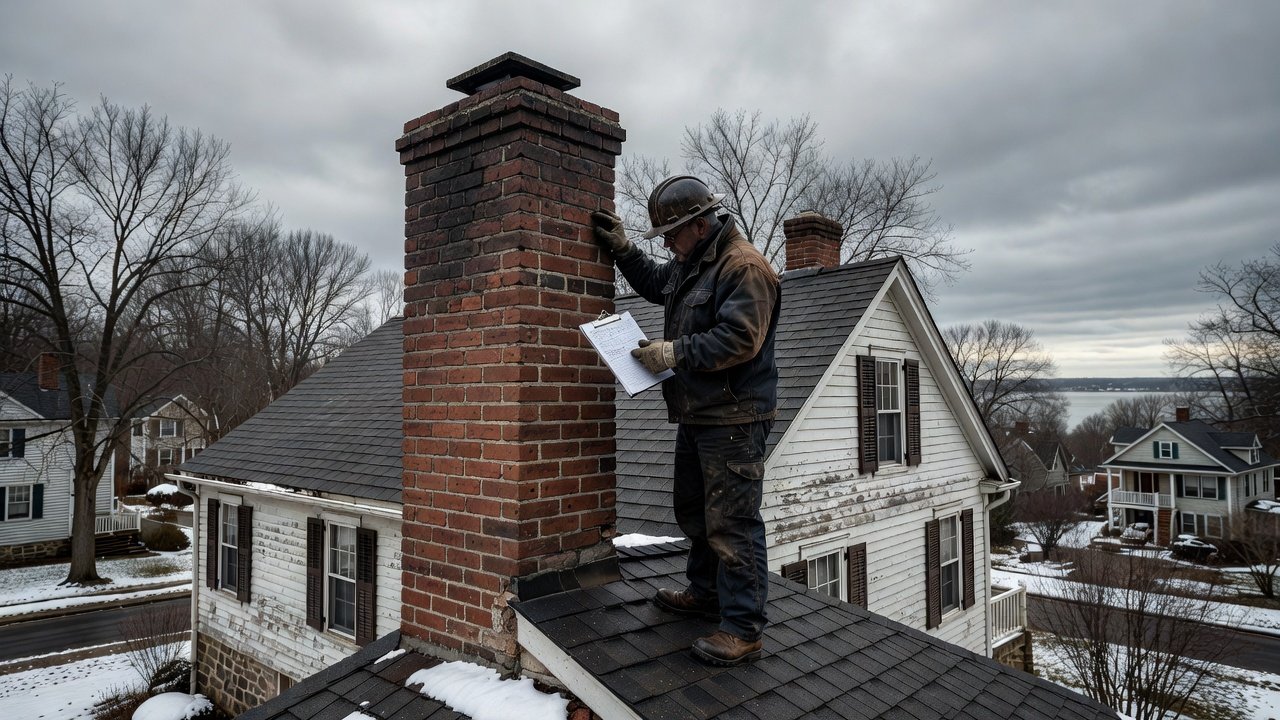
The National Fire Protection Association’s Standard 211 requires annual inspections of chimneys, fireplaces, and venting systems to ensure they are structurally sound and free from deposits. That standard exists because visual inspection from below misses liner cracks, deteriorated mortar joints inside the flue, and blockages from nesting animals all of which are common in Rockland County homes, particularly the older housing stock you find in neighborhoods throughout Pearl River, Orangeburg, and Blauvelt.
A cracked liner is especially relevant here. Hudson Valley winters are hard on masonry. We run freeze-thaw cycles from November through March, and that repeated expansion and contraction opens hairline cracks in clay tile liners over years. Those cracks let combustion gases carbon monoxide included migrate into the living space. There’s no symptom until there is, and by then it’s a health emergency.
Tasks That Genuinely Require a Professional
To be direct about it: hire a chimney sweep Orangeburg NY area or a local certified sweep whenever any of the following apply.
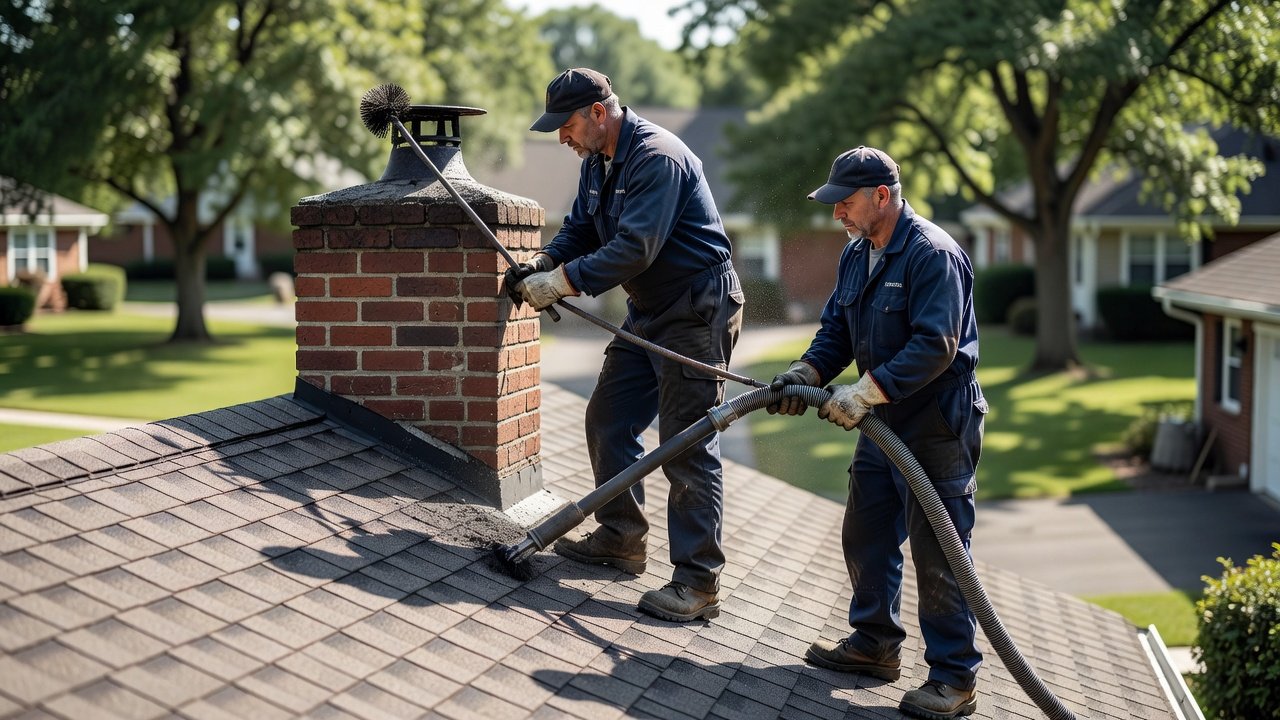
Full flue cleaning with camera inspection. The camera is the difference between a clean chimney and a chimney you think is clean. We carry video inspection equipment on every service call and we don’t consider a sweep complete without it.
Creosote treatment beyond light soot. If you’ve burned a lot of unseasoned wood, or you haven’t had service in more than a year, you may have second or third-degree creosote. This requires professional-grade chemical application and, in some cases, mechanical removal that basic brush kits can’t provide.
Any liner work. Cracked tiles, spalling, or a flue that’s the wrong size for your appliance — these require our chimney relining service, and the fix involves tools and materials that aren’t available at a hardware store. Getting liner sizing wrong can cause backdrafting, which puts carbon monoxide directly into your home.
Masonry repair and repointing. Patching firebox joints or crown mortar yourself with standard masonry mix is a common mistake. Fireplace mortar must be rated for high heat. Using the wrong product fails within one or two seasons and can actually trap moisture, accelerating the damage. Our masonry repair and repointing service uses the correct refractory materials for the application.
Any work following a chimney fire. If you’ve had a chimney fire — even a small one you weren’t sure about — do not use the fireplace again until a professional has completed a level 2 inspection. The structural damage from a chimney fire isn’t always obvious, and operating a damaged flue is genuinely dangerous. Homeowners in Nyack, Congers, and throughout Rockland County have called us after noticing a strong burning smell or unusual smoke behavior; those are the calls we take seriously.
What Professional Service Actually Costs in 2026
According to HomeAdvisor, the average cost of a professional chimney sweep and inspection in the northeastern United States ranges from $150 to $350, with repairs adding $200 to $1,000 or more depending on scope. In practice, a standard sweep and level 1 inspection in Rockland County typically falls in that range. A level 2 inspection with camera work runs higher, but if you’re buying or selling a home in Sparkill or Palisades, or if you’ve had any reason to suspect liner damage, it’s money that pays for itself in avoided repairs.
The Pearl River homeowner we mentioned at the start spent more than she would have on a routine annual sweep — but less than she would have spent if the cracked tile had gone another full season undetected. Timing matters more than most people realize.
Get an Honest Assessment Before This Burning Season
We serve homeowners throughout Rockland County — Pearl River, Orangeburg, Blauvelt, New City, Valley Cottage, and the rest of the area. If you’re not sure whether your chimney needs professional attention or you just want a straight answer before you light the first fire of the season, reach out through our website contact form. We’ll give you an honest read, not a sales pitch.
Frequently Asked Questions
How often does a chimney sweep Orangeburg NY homeowner actually need professional service?
Once a year is the minimum, and that’s not a sales line — it’s the NFPA 211 standard. If you’re burning more than a cord of wood per season, or if you’ve gone two or more years without service, move that appointment up. Rockland County’s freeze-thaw winters accelerate liner deterioration faster than most homeowners expect.
Can I use a chimney cleaning kit from the hardware store instead of hiring a sweep?
For light soot on a flue you had professionally cleaned last year, a brush kit can help maintain cleanliness between visits. But it won’t remove glazed creosote, it won’t detect liner cracks, and it won’t find a bird nest above the damper. Use it as a supplement, not a replacement for professional inspection.
What are the signs that I need more than a basic sweep?
Strong smoky odor when the fireplace isn’t in use, black oily staining on the firebox walls, white staining on the exterior masonry (efflorescence), or visible mortar gaps in the firebox are all reasons to request a level 2 inspection rather than a standard sweep. Don’t wait for smoke in the living room.
Is chimney repair covered by homeowner’s insurance in New York?
Sometimes. The Insurance Information Institute notes that chimney repairs due to sudden accidental damage — a storm, a falling tree, a lightning strike — are often covered, while deterioration from neglect typically is not. Documenting annual inspections with dated reports strengthens your position significantly if you ever need to file a claim.
How long does a professional chimney sweep and inspection take?
A standard sweep with a level 1 inspection typically takes between 45 minutes and an hour and a half, depending on the system and how long it’s been since the last service. A level 2 inspection with camera work takes longer. We schedule enough time to do the job properly — not to turn over appointments as fast as possible.
Do I need to do anything to prepare before the sweep arrives?
Clear the area around the hearth and move anything fragile nearby. Make sure the fireplace hasn’t been used for at least 12 hours so the ash is cool. That’s about it. We bring drop cloths and handle the rest.
Related from Tappan Chimney Sweep: The Smart Way to Choose a Chimney Sweep Tappan NY Homeowners Can Actua · Essential Warning Signs You Need a Chimney Sweep Sparkill NY Homeowner