
Honest Chimney Repair Orangeburg NY: 2026 Guide for Sparkill Residents
Most chimney problems do not announce themselves dramatically. A small crack in the crown, a few missing mortar joints, a liner that has been quietly deteriorating since the last hard winter these are the issues that get missed by homeowners and, frankly, by contractors who show up without the right equipment or credentials. We want to talk plainly about what chimney repair Orangeburg NY actually involves, how we diagnose the real problem rather than the obvious one, and how to make sure whoever you hire is worth the money.
We serve the stretch of Rockland County from Tappan up through Sparkill, Palisades, and Piermont, and we see the same patterns every season. The homes here a lot of them built in the 1950s through 1970s have chimneys that have quietly aged past their original mortar’s lifespan. Freeze-thaw cycles in the Hudson Valley are punishing. A hairline crack in November is a gaping joint by March.
A Call That Changed How We Think About Contractor Vetting
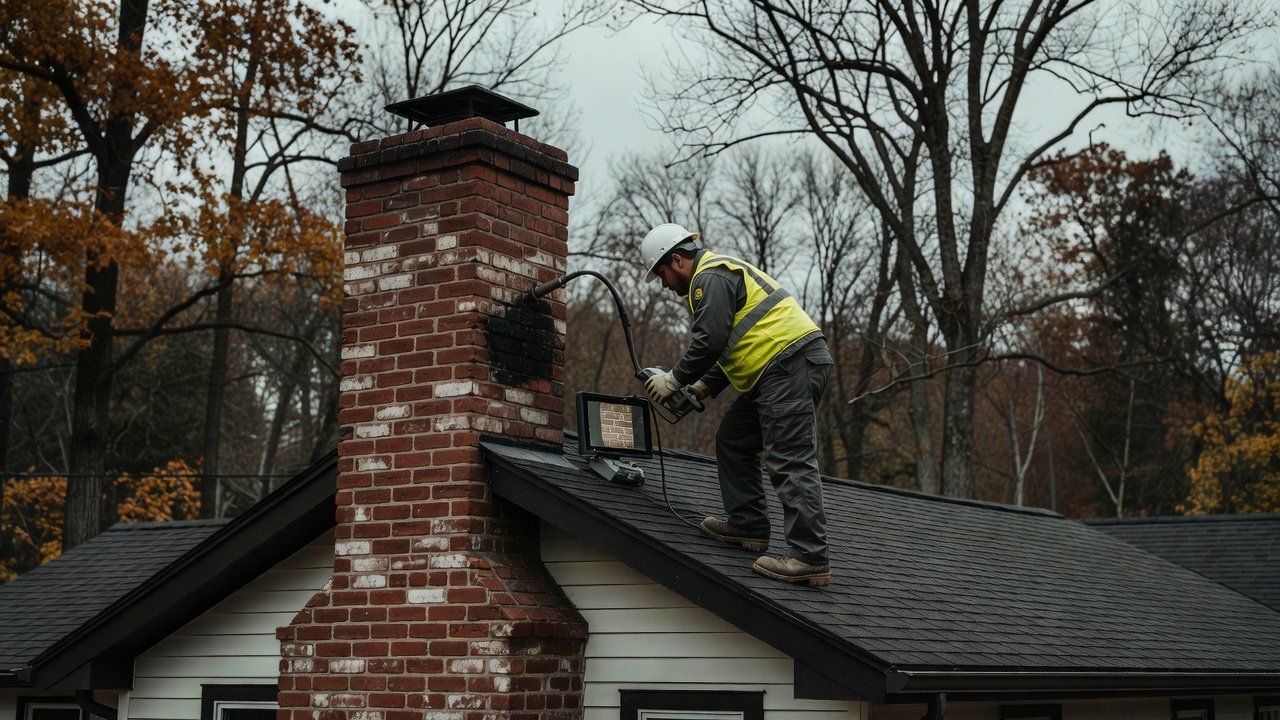
A homeowner in Sparkill called us in February of this year, frustrated and out several hundred dollars. A crew had come through the previous autumn offering chimney repair at a price that seemed reasonable. The crew tuckpointed some visible joints on the exterior, collected payment, and left. By January, water was getting into the firebox. When we arrived and ran a camera through the flue, we found the real source: a cracked clay tile liner two-thirds of the way up the stack, completely invisible from the roofline and never mentioned in the original estimate. The exterior repointing the homeowner paid for was not wrong, exactly — those joints did need attention — but it was incomplete, and no one had looked inside.
That scenario is more common than it should be. It is the reason we are direct about what proper chimney repair Orangeburg NY actually requires before anyone touches mortar or quotes a number.
What Legitimate Diagnosis Looks Like
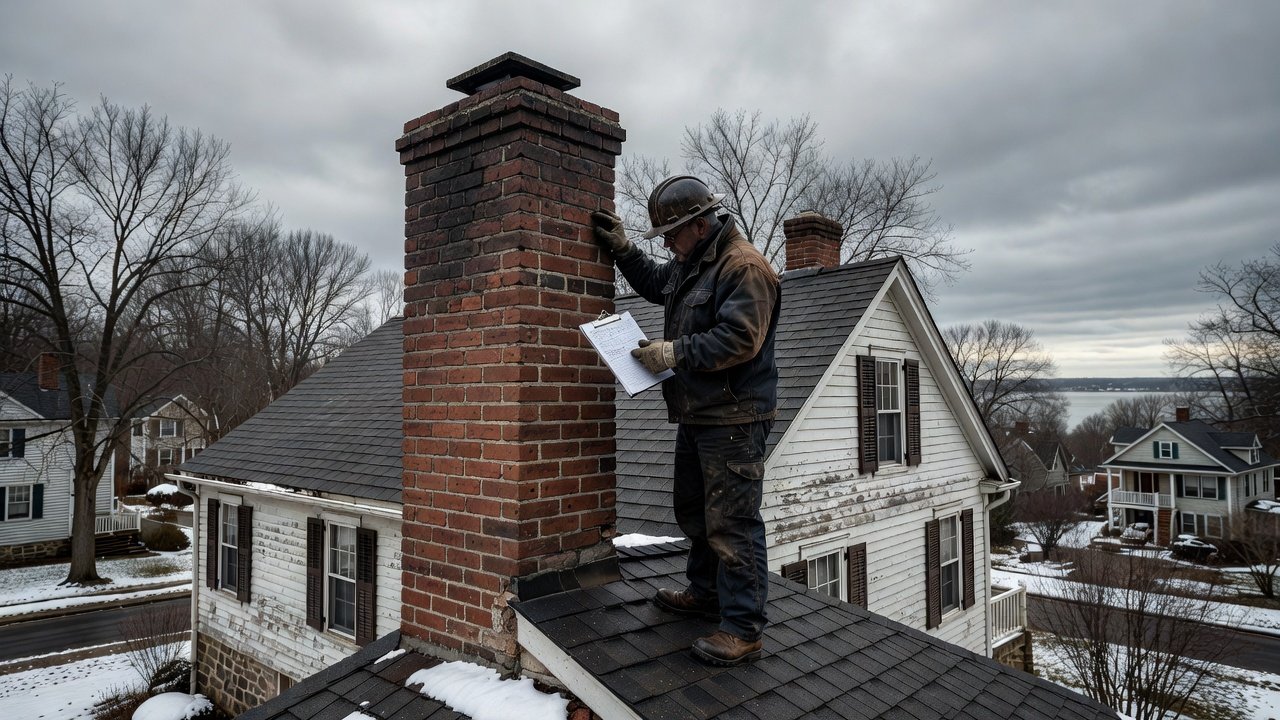
A reputable contractor does not quote a repair from the driveway. The diagnostic process involves at minimum a visual inspection of the crown, cap, flashing, and exterior masonry, and ideally a camera inspection of the flue interior. The National Fire Protection Association (NFPA) Standard 211 requires annual inspections of chimneys, fireplaces, and venting systems to ensure they are structurally sound and free from deposits. That standard exists because so many failure points are interior ones.
Here is how we actually work through the most common problems we see in this area.
Deteriorating Mortar Joints
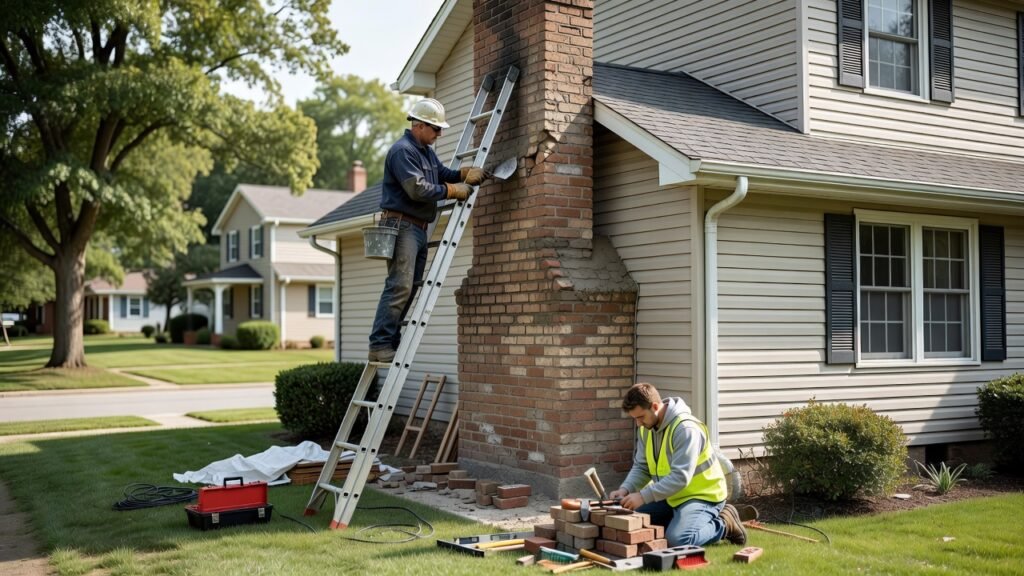
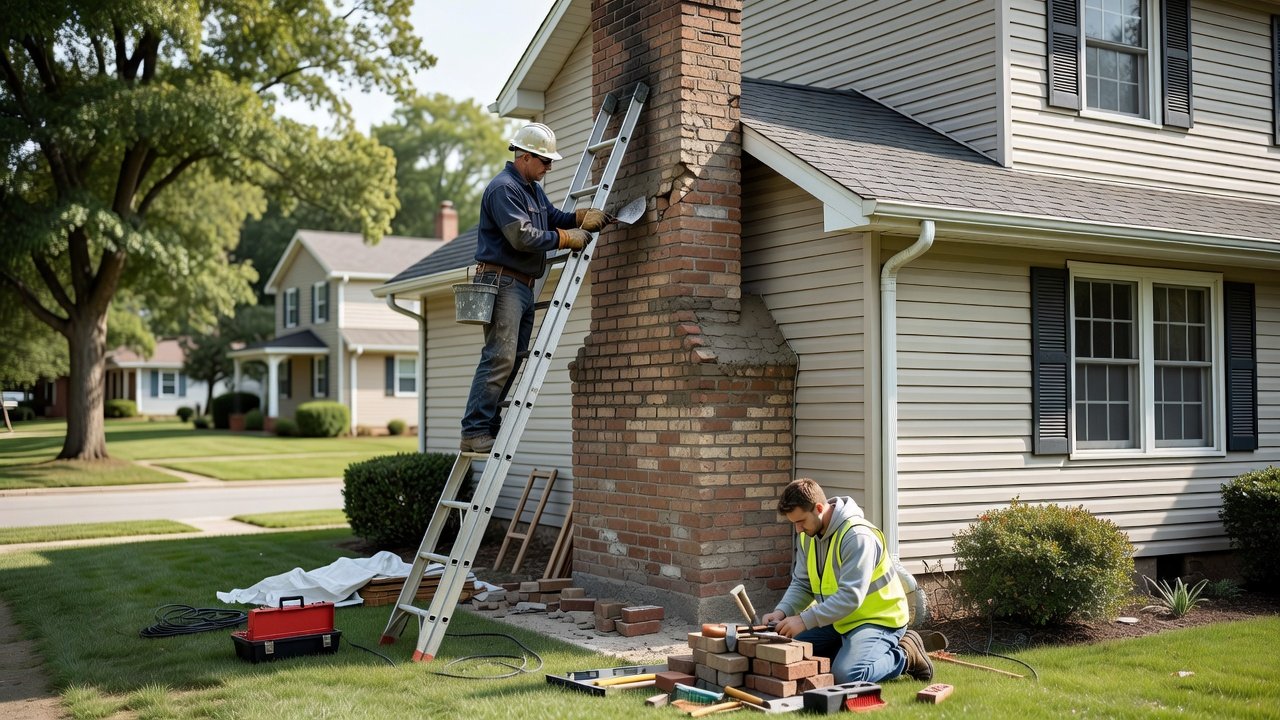
Symptoms: visible gaps or crumbling mortar between bricks, white efflorescence staining on the exterior, water in the firebox after rain. Cause: mortar has a lifespan, typically 25 to 30 years in a climate like ours, and repeated freeze-thaw cycles accelerate the breakdown. Fix: repointing, meaning the failed mortar is ground out to a consistent depth — usually 3/4 inch minimum — and packed with new mortar matched to the original mix. Sloppy operators skip the grinding step and simply face-coat over failed joints. That fails within a season. Prevention: a proper drylok or water repellent applied every few years slows water infiltration significantly.
Crown Damage
Symptoms: visible cracks running across the concrete or mortar crown, sometimes whole chunks missing. Cause: the crown is the most exposed element on the chimney and bears direct weather impact. Improper mix ratios during original construction make this worse. Fix: minor cracking responds well to elastomeric crown sealer. Significant structural damage requires rebuilding the crown entirely, which is a masonry job, not a caulk job. Prevention: sealing a sound crown every five years extends its life considerably.
Flashing Failure
Symptoms: water staining on the ceiling near the fireplace, water at the base of the firebox, visible gaps where the chimney meets the roof. Cause: the step flashing and counter-flashing system has separated, corroded, or was installed incorrectly to begin with. We see a lot of original flashing in Pearl River and Orangeburg homes that was done in roofing tar rather than actual metal — it dries, cracks, and fails. Fix: proper flashing uses step-flashing integrated with the roofline and a counter-flashing set into the masonry. It is not a one-piece patch job. Prevention: have it inspected every time your roof is inspected.
Cracked or Spalling Clay Liner Tiles
Symptoms: debris or tile fragments in the firebox, visible cracks on camera inspection, smoky odor in the house even when the damper is open. Cause: thermal shock, settling, or simple age. Clay liner tiles are not designed to flex, so repeated high-heat cycles eventually crack them. This is the problem that was missed in the Sparkill call above. Fix: depending on severity, options include full liner replacement, stainless steel liner installation, or HeatShield ceramic resurfacing. We assess which approach fits the flue dimensions and the appliance being vented. Prevention: burning properly seasoned wood reduces thermal shock and creosote buildup substantially.
Damper Failure
Symptoms: difficulty opening or closing the damper, cold air or animal intrusion when the fireplace is not in use, visible rust or warping. Cause: cast iron throat dampers corrode over time, especially in older Congers and Blauvelt homes with chimneys that were not capped. Fix: replacement with either a new throat damper or a top-mounted damper, which also serves as a cap. Prevention: a top-mount damper is a one-time upgrade that eliminates most damper and animal intrusion problems simultaneously.
Structural Lean or Separation
Symptoms: visible tilt in the chimney stack when viewed from the yard, separation between the chimney and the house exterior wall. Cause: foundation settling, water infiltration into the base, or original construction that did not account for independent chimney footing. This is not a DIY repair. Fix: requires a structural assessment and, in serious cases, full or partial chimney rebuilding. Prevention: catch the early warning signs — hairline cracks at the roofline, slightly off-plumb brickwork — before they progress.
Red Flags When Hiring for Chimney Repair
The angle here matters as much as the work itself. A few things we would want a Sparkill or Orangeburg homeowner to watch for before signing anything.
A contractor who quotes repairs without inspecting the flue interior is guessing. That is not acceptable for chimney repair Orangeburg NY or anywhere else. Ask specifically whether a camera inspection is part of the estimate process.
According to the Chimney Safety Institute of America (CSIA), chimneys should be inspected at least once a year and cleaned whenever significant deposits are found. A contractor who tells you an inspection is unnecessary before a repair is working backwards.
Be cautious of very low bids combined with high-pressure close tactics — the “I’m already on your roof and I can do it today for half price” approach. Legitimate masonry repair takes time to do correctly. Mortar needs proper cure time. Cuts in liner tiles need to be measured before materials are ordered.
Ask whether the crew is CSIA-certified or carries credentials from a recognized trade organization. Ask for proof of liability insurance. Ask whether the estimate is itemized. These are not unreasonable requests, and a professional operation will not flinch at them.
The U.S. Fire Administration reports that heating fires account for approximately 25% of all reported home fires, with dirty or damaged chimneys being one of the leading contributing factors. That number is the reason we take the diagnostic step seriously before any work begins.
What Repairs Cost in 2026
We want to give honest context here without setting expectations that do not fit every situation. According to HomeAdvisor, the average cost of a professional chimney sweep and inspection in the northeastern United States ranges from $150 to $350, with repairs adding $200 to $1,000 or more depending on scope. A full liner replacement with a stainless steel liner in a two-story home runs considerably more — typically $2,500 to $4,500 depending on flue length and diameter. Crown rebuilding runs $300 to $700. Flashing replacement varies with roof complexity. We always provide a written, itemized estimate before any work starts.
If you are in Sparkill, Orangeburg, Palisades, or anywhere else in Rockland County and you want a straightforward assessment of what your chimney actually needs — not a sales pitch from the driveway — reach out through our website contact form. We will schedule a proper inspection and give you an honest picture of what needs attention, in what order, and what it will cost.
Frequently Asked Questions: Chimney Repair in Orangeburg NY and Rockland County
How do I know if I need chimney repair or just a cleaning?
A cleaning addresses creosote and debris. Repair addresses structural or material failure — cracked mortar, damaged liner tiles, failed flashing, and so on. Many homeowners need both, and the only way to know which is which is a proper inspection that includes looking inside the flue. We often find that what looks like a cleaning job is actually a repair job once we run a camera through the liner.
Is chimney repair covered by homeowners insurance?
Sometimes, but the details matter. The Insurance Information Institute advises homeowners to check their policy carefully, as chimney repairs due to sudden accidental damage — such as a storm or lightning strike — are often covered, while deterioration from neglect typically is not. Document damage promptly after any severe weather event and contact your insurer before starting repairs.
How long does chimney repointing last?
Done correctly, with proper joint preparation and an appropriate mortar mix, repointing should last 20 to 30 years in a climate like Rockland County’s. Cut-corners jobs that skip grinding out the old mortar or use the wrong mix fail much sooner — sometimes within two or three winters.
Can I use my fireplace while waiting for repairs to be completed?
It depends on what needs repair. A damaged liner or a structurally compromised chimney should not be used until work is complete. Cosmetic exterior mortar issues are lower urgency, but we always advise confirming the flue interior is sound before lighting fires. We will tell you clearly at the time of inspection whether your fireplace is safe to use.
What questions should I ask a chimney repair contractor before hiring them?
Ask whether they will inspect the flue interior before quoting. Ask about CSIA certification. Ask for proof of liability insurance. Ask for an itemized written estimate. Ask how long the work will take and what the cure time for any mortar work is. If a contractor resists any of those questions, that is useful information.
How often do chimneys in Rockland County typically need repair?
There is no single answer, but the freeze-thaw cycles in the Hudson Valley are hard on masonry. Homes in Sparkill, Orangeburg, and Nyack built before 1980 should realistically expect to need repointing or minor crown work at some point if they have not already had it done. Annual inspections are the most reliable way to catch small problems before they become expensive ones.
Related from Tappan Chimney Sweep: Essential Warning Signs You Need a Chimney Sweep Sparkill NY Homeowner · Smart Timing for Chimney Repair Palisades NY · Trusted Chimney Inspection Piermont NY