
Smart Timing for Chimney Repair Palisades NY: 2026 Guide for Rockland County Residents
Most homeowners don’t think about their chimney until smoke backs up into the living room or a brick lands in the firebox. By then, the window for easy, affordable chimney repair has usually closed. Whether you’re in Palisades, Pearl River, or anywhere else in Rockland County, the timing of when you call matters almost as much as who you call.
We’ve been doing chimney repair in Palisades NY and throughout the surrounding communities long enough to know that the calendar is working against most homeowners especially in a region where winters hit hard and freeze-thaw cycles chew through mortar and masonry faster than people expect. Here’s what we’ve learned about when to act, and what it costs when you don’t.
A Pearl River Homeowner Who Waited One Season Too Long
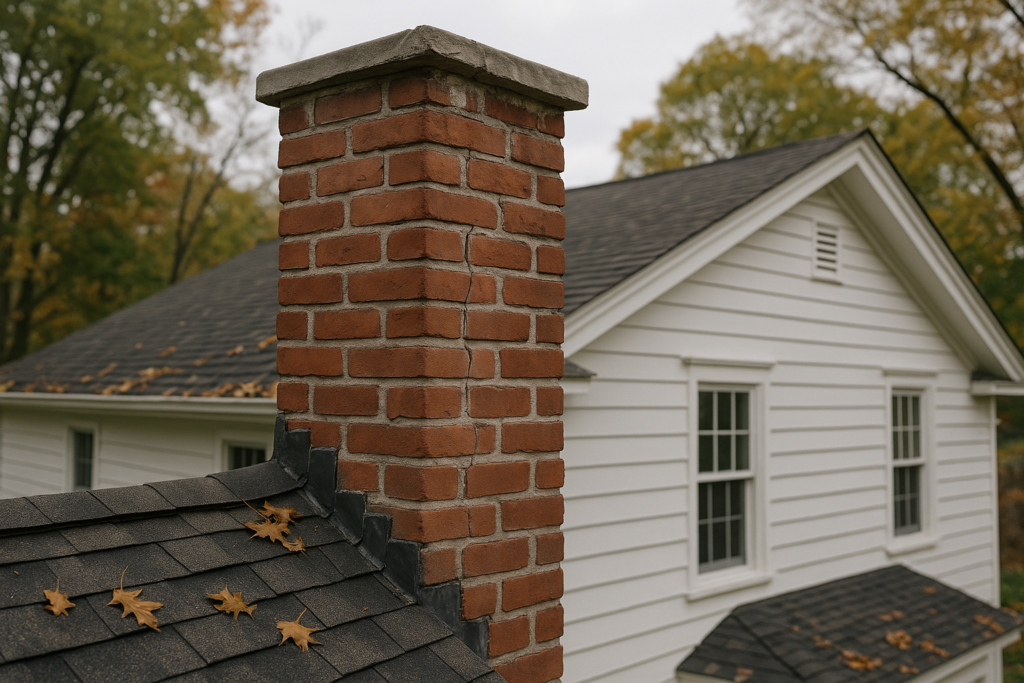
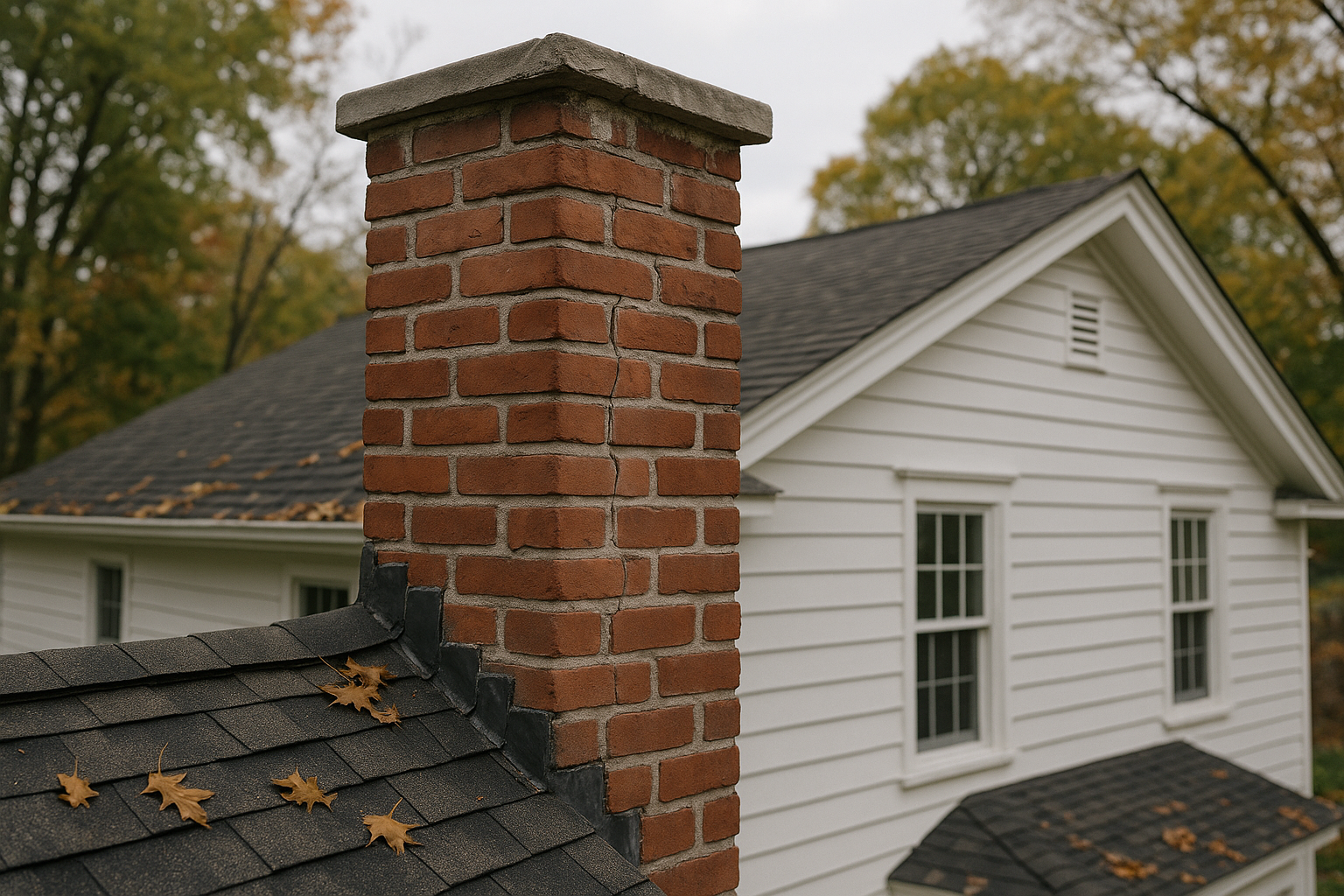
Last spring, a homeowner in Pearl River called us after noticing a small crack running through the mortar joints on the upper half of their chimney stack. They’d seen it the previous fall but decided to wait until the following year to deal with it. One Rockland County winter later and it was a punishing one that single crack had split into a step-crack pattern across three courses of brick, and water had worked its way behind the flashing. What would have been a $400 repointing job became a $1,200 repair involving partial brick replacement and flashing resetting. We hear this story more often than we’d like.
Why the Local Climate Sets the Schedule
Palisades and Pearl River sit in a climate pocket that doesn’t get the same press as upstate New York, but the freeze-thaw cycle here is relentless. Temperatures can swing above and below freezing dozens of times between November and March. Every time water gets into a crack, freezes, expands, and thaws, it widens that gap a little more. Masonry that looks stable in October may be structurally compromised by April. That’s not a scare tactic it’s physics, and it’s why chimney repair in Palisades NY isn’t something you want to defer once you’ve spotted a problem.
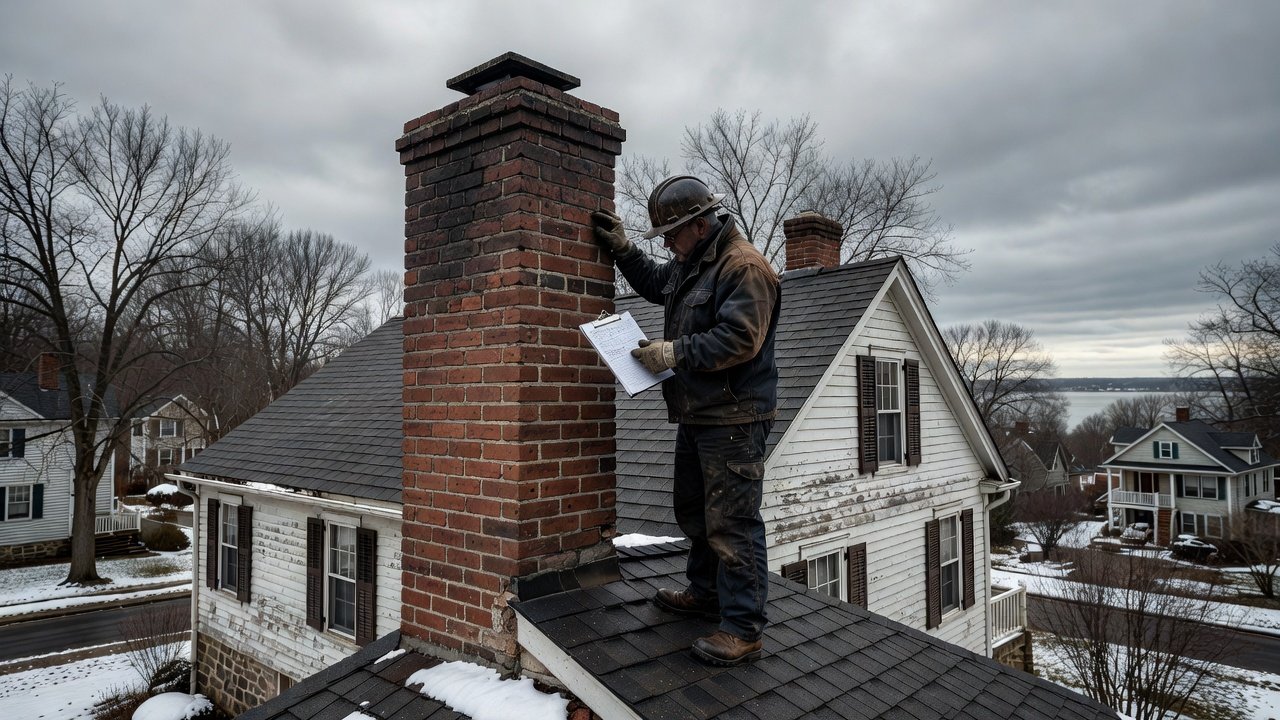
The National Fire Protection Association (NFPA) Standard 211 requires annual inspections of chimneys, fireplaces, and venting systems to ensure they are structurally sound and free from deposits. Scheduling that inspection at the right time of year is the first step toward catching problems before winter does.
Season by Season: When to Book and What to Expect
Late Summer (August – September): The Best Window
This is the sweet spot. Temperatures are stable, mortar cures properly, and our schedule while busy is still easier to get onto than it will be in October. If your chimney needs repointing, a crown repair, or any masonry work, late summer gives the materials the best possible conditions to set before the cold arrives. Homeowners in Nyack and Blauvelt who book in August typically get their repairs done well before the first fire of the season.
Early Fall (October – Mid-November): Still Good, Getting Tight
October is when demand spikes. Everyone who put it off all summer is now calling at once because they’ve lit the first fire and noticed something wrong. We can still get most repairs done in October, but scheduling becomes harder, and colder overnight temperatures can affect how quickly mortar sets. If you’re in Orangeburg or Sparkill and you’ve been meaning to call, don’t wait past mid-October.
Late Fall and Winter (December – February): Limited Options
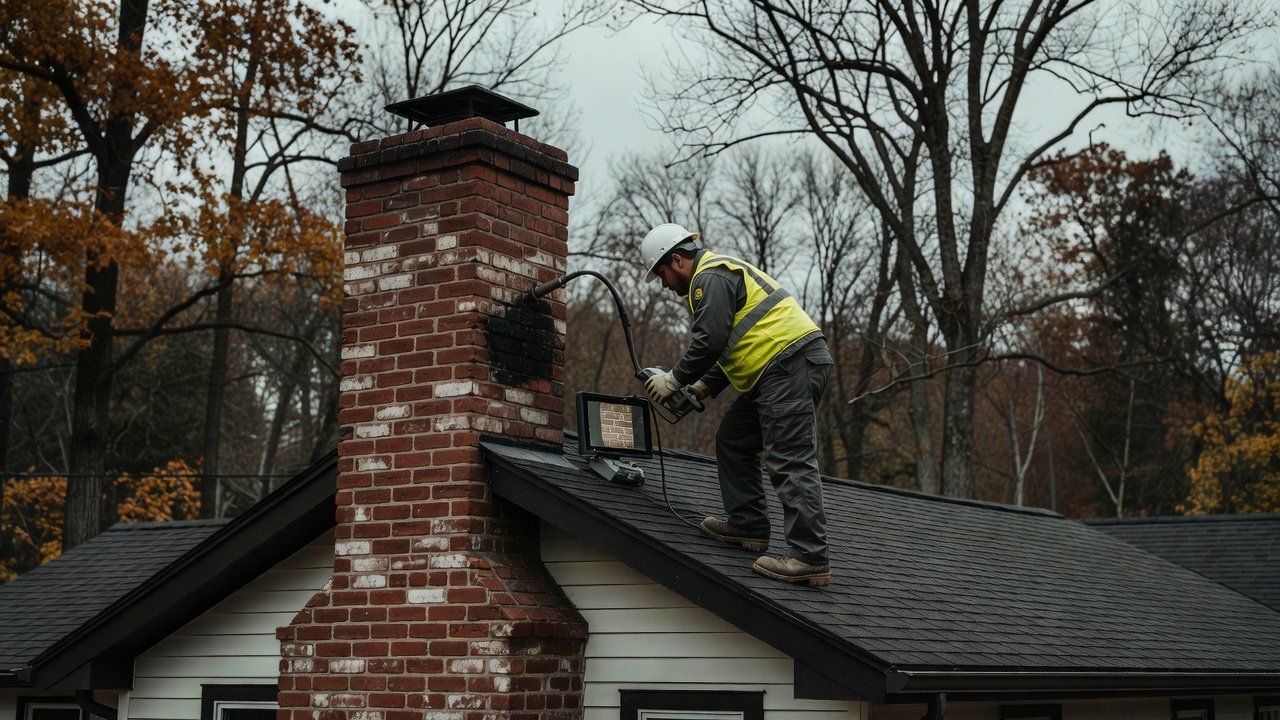
Mortar-based repairs generally can’t be done when temperatures drop below 40°F without special precautions. During a Rockland County January, that rules out most outdoor masonry work. We can still handle interior liner repairs, chimney sweeping, and Level 1 and Level 2 chimney inspections year-round — and we do. But if your chimney needs significant structural work, winter is when you’re documenting the damage and planning for spring, not fixing it. The Chimney Safety Institute of America (CSIA) notes that chimneys should be inspected at least once a year and cleaned whenever significant deposits are found, so a winter inspection still makes sense just set realistic expectations about what can be repaired immediately.
Spring (March – May): Catch-Up Season
After a hard winter, spring is when the damage becomes visible. Spalling brick, cracked crowns, deteriorated flashing all of it shows up once the snow melts. This is a good time for repairs because temperatures are rising and the masonry trade isn’t yet at peak summer demand. A lot of the homeowners we see in Palisades and Valley Cottage in March are dealing with exactly the damage that could have been prevented with a fall inspection. Spring repairs are necessary, but they’re almost always more expensive than what a fall visit would have caught early.
What Waiting Actually Costs
We’re not going to pretend every chimney problem is an emergency some aren’t. But small masonry issues have a way of compounding fast in this climate. A $300 crown seal job left unaddressed can turn into a full crown replacement at $600 to $900. A hairline crack in the flue that could have been addressed during a chimney inspection for a modest fee becomes a relining project at $2,500 or more once moisture damage sets in. According to HomeAdvisor, the average cost of a professional chimney sweep and inspection in the northeastern United States ranges from $150 to $350, with repairs adding $200 to $1,000 or more depending on scope. The earlier you catch it, the lower you stay on that range.
Beyond cost, there’s a safety dimension. The U.S. Fire Administration reports that heating fires account for approximately 25% of all reported home fires, with dirty or deteriorating chimneys being one of the leading contributing factors. A chimney that’s been damaged by water infiltration or freeze-thaw stress can fail structurally in ways that affect how well it vents combustion gases and that’s a problem you don’t want to discover mid-January.
The Short Version
Book in August or September if you can. October works but moves fast. Winter is for inspections and planning, not masonry. Spring is for fixing what winter broke and it’s more expensive than fixing it beforehand. If you’ve noticed anything a crack, a stain on the ceiling near the chimney, a draft that doesn’t feel right don’t talk yourself into waiting another season. One more Rockland County winter is not going to make it easier.
We serve Palisades, Pearl River, Congers, New City, and the surrounding communities throughout Rockland County. If you’d like an honest assessment of your chimney’s condition and what, if anything, needs to be done before the cold sets in, reach out to us through our website contact form. We offer free estimates and will tell you straight what we see.
Frequently Asked Questions About Chimney Repair in Palisades NY
When is the best time of year to schedule chimney repair in Palisades NY?
Late summer August through mid-September gives you the best combination of available scheduling, good curing conditions for mortar and masonry, and enough lead time before heating season. Early fall works too, but demand picks up quickly in October and cold nights can complicate outdoor repair work.
Can chimney repairs be done in winter in Rockland County?
Interior work flue liner repairs, damper replacement, chimney sweeping can be done year-round. Exterior masonry repairs, including repointing and crown work, generally require temperatures above 40°F to cure properly. During a typical Rockland County winter, most outdoor masonry work is postponed until spring.
What happens if I ignore a small chimney crack through winter?
In this climate, water gets into the crack, freezes, expands, and widens it. A crack that looks minor in November can become a step-crack pattern across multiple courses of brick by March. What was a straightforward repointing job becomes a more involved and costly repair. We’ve seen this progression many times with homeowners in Pearl River and Palisades.
How much does chimney repair typically cost in the Palisades NY area?
It depends heavily on what’s needed and when it’s caught. Minor repairs repointing small sections, crown sealing often run $250 to $500. More involved work like partial brick replacement, flashing repair, or relining can range from $600 to well over $2,000. According to HomeAdvisor, professional chimney inspections in the northeastern U.S. typically run $150 to $350, and early inspections are the best way to catch problems at the lower end of the repair range.
Do I need an inspection before scheduling a repair?
In most cases, yes. We won’t quote a repair without seeing the chimney first a visual guess from the ground often misses what’s actually going on at the flue or behind the flashing. A Level 1 or Level 2 inspection gives us an accurate picture and makes sure we’re fixing the right thing. You can learn more through our chimney inspection service.
Do homeowners in Palisades NY need a permit for chimney repairs?
Routine maintenance and minor repairs repointing, crown sealing, damper replacement generally doesn’t require a permit in Rockland County. Structural work or full chimney rebuilds may require one depending on the scope and your municipality’s requirements. We can advise you on what applies to your specific project during the estimate visit.
Related from Tappan Chimney Sweep: The Smart Way to Choose a Chimney Sweep Tappan NY Homeowners Can Actua · Essential Warning Signs You Need a Chimney Sweep Sparkill NY Homeowner · Trusted Chimney Inspection Piermont NY