
Trusted Chimney Inspection Piermont NY: 2026 Guide for Palisades Residents
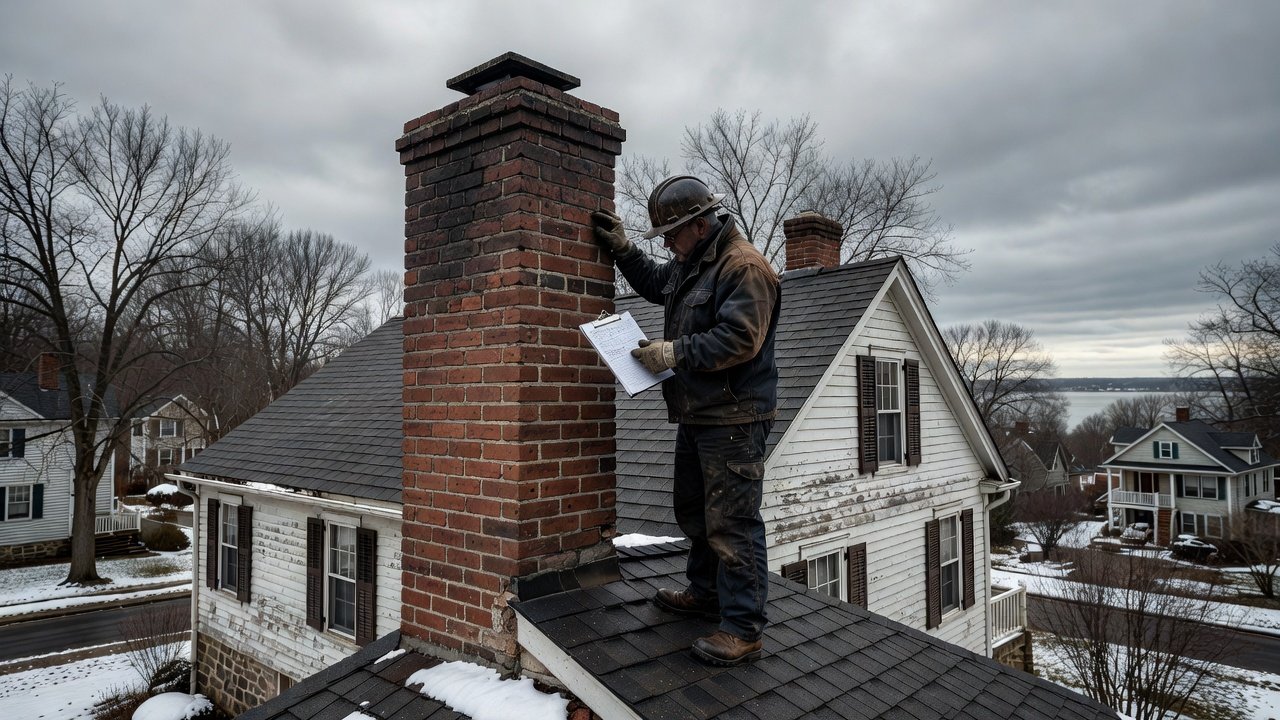
How confident are you that your chimney is actually safe to use this winter? For homeowners in Palisades and the Piermont corridor, a chimney inspection isn’t just routine maintenance it’s the difference between a warm house and a fire department visit. Our technicians at Tappan Chimney Sweep work throughout this stretch of Rockland County regularly, and what we find inside chimneys here would genuinely surprise most people.
A chimney inspection in Piermont NY covers a lot more than a quick look up the flue. This post walks through the problems we actually diagnose in homes like yours what the symptoms are, why they happen, and what a real professional fix looks like. We’ll also be straight with you about what a homeowner can reasonably handle on their own versus what genuinely needs a trained eye and the right equipment.
A Call From Palisades That Changed Someone’s Winter Plans
A homeowner on Washington Spring Road in Palisades called us in late October last year. She’d noticed a faint smoky smell in the living room even when the fireplace wasn’t in use. She’d been up on a step stool with a flashlight, looked into the firebox, and everything seemed fine to her. She almost let it go.
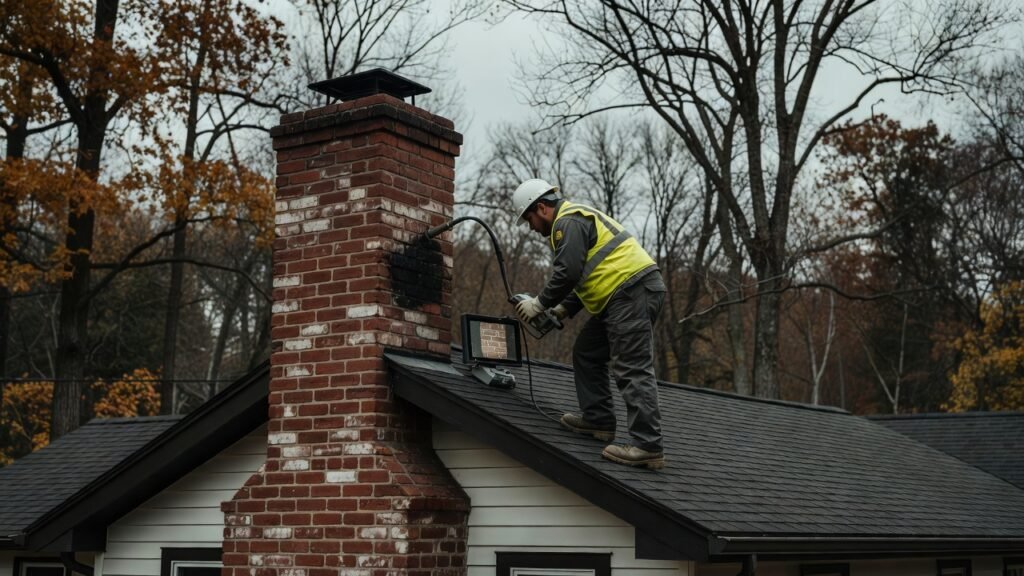
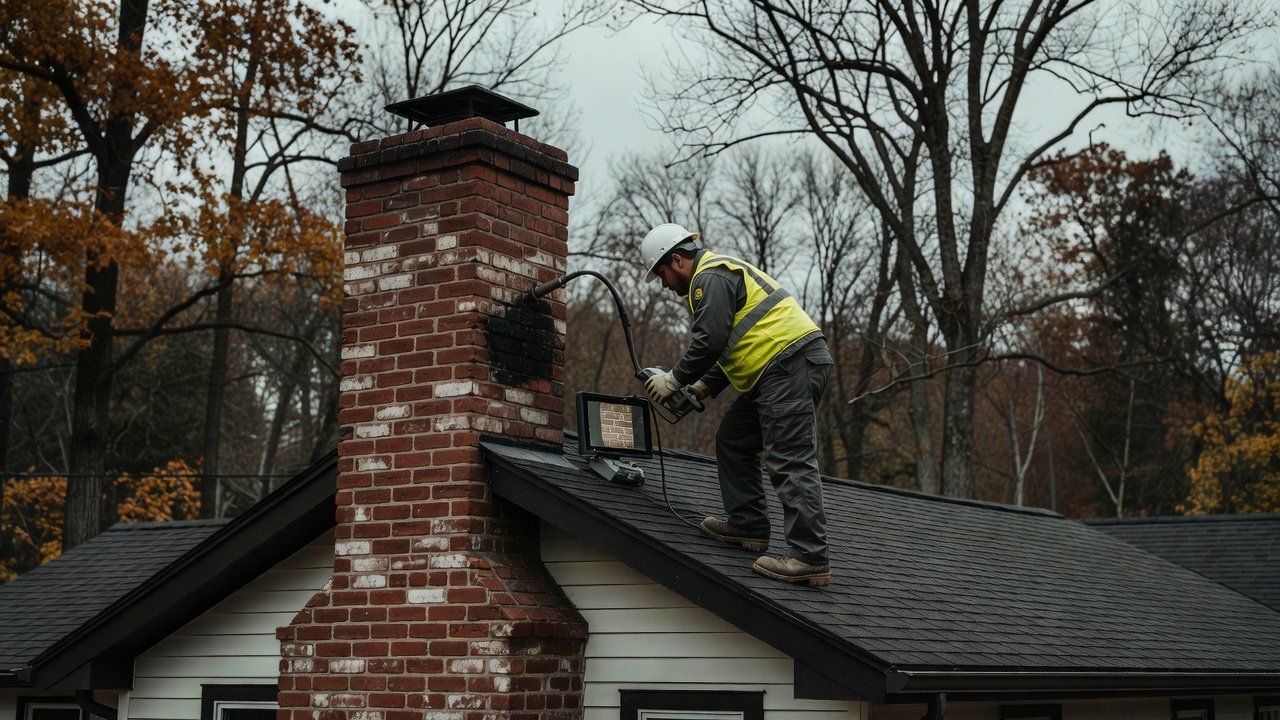
We came out and found a combination of second-degree creosote buildup coating about two-thirds of the flue liner, a cracked terra cotta tile at the smoke chamber, and a damper that wasn’t sealing properly which explained the persistent odor. None of that is visible from inside the firebox without a camera inspection and proper lighting. The repair wasn’t cheap, but it was a fraction of what a chimney fire in a wood-framed colonial would have cost her. She used the fireplace all season.
What We Find Most Often and What It Tells Us
Creosote Buildup Beyond Stage One
Stage one creosote is dusty and brushes off cleanly. Most homeowners who burn regularly and burn dry wood stay here. But in Palisades and across the older homes near Piermont, we frequently see stage two a tar-like coating and occasionally stage three glazed creosote, which looks almost like black glass on the liner tiles. The Chimney Safety Institute of America notes that third-degree creosote is extremely difficult to remove and significantly increases the risk of a chimney fire that can burn at temperatures exceeding 2,000°F. The diagnostic clue is a shiny, uneven coating that doesn’t scrape off. Stage two needs aggressive brushing with rotary tools. Stage three requires chemical treatment applied in multiple visits before mechanical removal is even possible. This is not a DIY situation at any stage past the first.
Can this be prevented? Burning seasoned hardwood and keeping fires hot enough to fully combust gases reduces buildup significantly. Smoldering fires are the primary cause.
Cracked or Deteriorating Flue Liner
Terra cotta flue tiles crack. It happens in every climate, but the freeze-thaw cycles along the Hudson River corridor and Palisades sits right in that zone accelerate the damage. A crack in a liner tile allows combustion gases, including carbon monoxide, to migrate into wall cavities and living spaces. From outside, you might notice white staining (efflorescence) on the chimney exterior, or a persistent smoky smell even after a good fire. Inside the flue, a camera inspection shows the actual fracture. The fix is either relining with a stainless-steel flexible liner or, in some cases, a cast-in-place liner system. The NFPA’s Standard 211 requires annual inspections of chimneys, fireplaces, and venting systems to ensure they are structurally sound and free from deposits and liner integrity is a core part of that evaluation.
Can this be prevented? Not entirely, but using a chimney cap to reduce water intrusion slows deterioration considerably. Annual inspections catch cracks before they propagate.
Damper Problems — Seal, Operation, or Position
A damper that doesn’t seal costs you heat all winter. One that doesn’t open fully creates dangerous draft conditions and smoke rollout into the room. In the older homes throughout Palisades and into Piermont many of them built in the 1950s through the 1970s the original throat dampers are often warped, corroded, or have missing handles. Diagnosis is simple during an inspection: we open and close the damper manually, check the seal with a flashlight, and assess whether it’s moving through its full range. The fix ranges from a basic repair to installing a top-sealing damper, which replaces both the damper and the chimney cap in one unit. Homeowners can check whether their damper opens and closes from below, but assessing the actual seal and structural condition requires getting inside the firebox with proper light.
Can this be prevented? Top-sealing dampers are more durable than throat dampers and eliminate the issue of rainwater rusting the mechanism.
Spalling Brick and Failed Mortar Joints
Stand across the street from your chimney and look at it closely. If you see bricks that have popped, flaked, or shifted, or mortar joints that look recessed or crumbly, water has been getting in. Rockland County’s winters are unforgiving on masonry. Water enters micro-cracks, freezes, expands, and widens those cracks over successive seasons. Left unaddressed, the structural integrity of the entire chimney stack is compromised. We’ve seen chimneys in Orangeburg and Blauvelt where the crown was so deteriorated that water was funneling directly into the flue. The professional fix involves tuckpointing failed joints, replacing spalled brick, and applying a breathable masonry waterproofing sealant not a standard exterior sealant, which can trap moisture and accelerate damage. Homeowners can sometimes spot this from the ground; assessing the full extent requires a close-up inspection from the roof level.
Can this be prevented? A properly installed chimney cap and annual crown inspection catch early water damage before it becomes structural.
Obstructed or Compromised Chimney Cap
Bird nests, leaves, and debris accumulate in uncapped flues faster than most people expect. We’ve pulled out enough nesting material from chimneys in Valley Cottage and Congers to fill a garbage bag. Beyond debris, a damaged or absent chimney cap allows water intrusion that accelerates every other problem on this list. Diagnosis takes about thirty seconds from the roof. A missing or broken cap is an immediate fix. A mesh-style cap prevents both wildlife and debris intrusion. This is one of the few things a mechanically confident homeowner can inspect visually from the ground with binoculars but installation on a sloped roof still calls for someone with fall protection and proper footing.
Can this be prevented? Yes. A quality stainless steel chimney cap is the single most cost-effective piece of preventive maintenance on this list.
Draft and Combustion Problems Tied to Appliance Changes
This one catch homeowners off guard. When a home in Palisades switches from oil heat to gas, or installs a new high-efficiency appliance, the existing chimney may no longer be sized or lined correctly for the new appliance. Oversized flues cause poor draft, condensation, and accelerated liner deterioration. We see this combination constantly along the NJ-NY border communities as homeowners modernize heating systems. The U.S. Fire Administration reports that heating fires account for approximately 25% of all reported home fires, with dirty chimneys being one of the leading contributing factors and improper appliance-to-flue pairing is a significant part of that picture. Diagnosing this requires measuring the flue dimensions against the appliance BTU output and vent connector size. It is not something a homeowner should attempt to evaluate without training. The fix typically involves lining the flue with an appropriately sized liner for the new appliance.
Can this be prevented? Get a chimney inspection whenever you replace a heating appliance. Every time, without exception.
What Homeowners Can Actually Handle
We believe in being straight with people. There are things you can do. You can check whether your damper opens and closes. You can look at the firebox for obvious cracking or loose firebrick. You can look at the exterior chimney from the ground for spalling or missing mortar. You can note whether smoke is entering the room or whether there’s an odor when the fireplace isn’t in use. All of that is useful information to give us when you call.
What requires a professional is everything that happens above the firebox and on the roof flue liner assessment, crown condition, cap integrity, and a camera inspection of the full flue length. According to the Chimney Safety Institute of America, chimneys should be inspected at least once a year and cleaned whenever significant deposits are found. That annual inspection is the baseline, not the ceiling.
Rockland County has been actively enforcing building and fire codes at the county level, and homeowners across the region from Spring Valley down to Piermont are increasingly aware that deferred maintenance on systems like chimneys can carry real consequences. We’d rather you call us for a routine inspection than deal with something avoidable.
Frequently Asked Questions
How much does a chimney inspection cost near Piermont NY in 2026?
A standard Level 1 chimney inspection in the Piermont and Palisades area typically runs between $150 and $250. If a camera inspection (Level 2) is needed for instance, after a chimney fire, before a home sale, or when appliance changes are involved expect $250 to $400. Repairs are quoted separately and vary based on scope. We give clear written estimates before any work begins.
How do I know if my chimney in Palisades needs to be relined?
Common signs include a persistent smoky smell when the fireplace isn’t in use, white staining on the exterior chimney brick, visible cracks in the firebox tiles, or a recent switch to a new heating appliance. The only reliable way to confirm liner condition is a camera inspection of the full flue length. Terra cotta liner tiles in homes built before the 1980s common throughout Palisades are especially prone to freeze-thaw cracking and should be inspected annually.
Do I need a chimney inspection before selling my home in the Piermont NY area?
A Level 2 chimney inspection is recommended and, in many cases, required by home buyers or their lenders when a property changes hands. This level includes a camera inspection of the flue and a full assessment of accessible interior and exterior components. Having a clean inspection report from a CSIA-certified sweep gives buyers confidence and protects sellers from last-minute negotiation surprises. We serve the full Piermont, Palisades, and Rockland County real estate corridor regularly.
Ready to Schedule Your Inspection?
If any of the problems described here sound familiar, or if it’s simply been more than a year since someone looked at your chimney, we’d be glad to come out. Tappan Chimney Sweep serves Palisades, Piermont, and the surrounding Rockland County and Bergen County communities. We’re your neighbors not a franchise dispatch center and we treat every inspection like it’s our own home at stake. Give us a call or reach out through our contact page at chimneynorthvale.com to set up a time that works for you.